
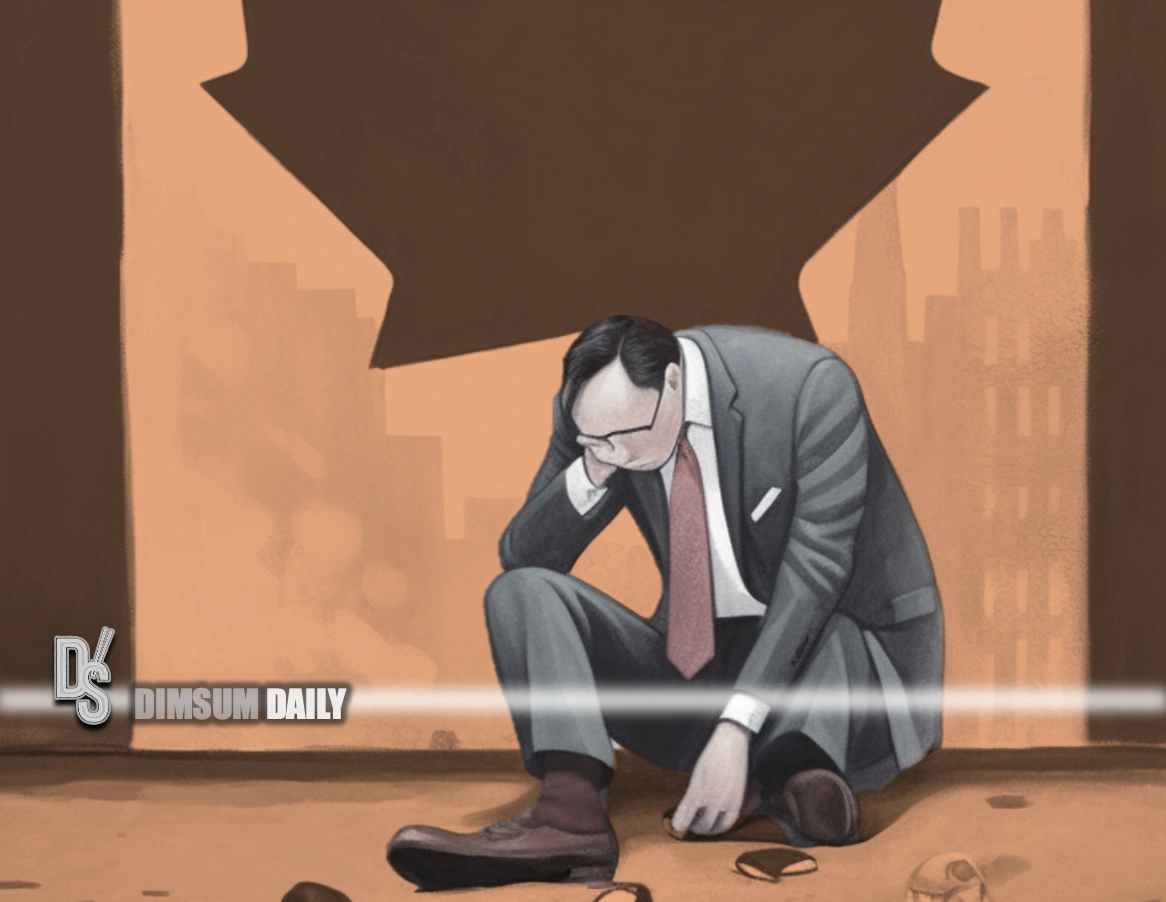
24th December 2024 – (Beijing) Money talks, and Beijing just spoke volumes. China’s decision to sanction two Canadian organisations and 20 of their personnel on 21st December marks a pivotal shift in what was once a golden trade relationship. The timing couldn’t be more telling.
Behind the diplomatic theatre lies a sobering reality: CA$119.5 billion in bilateral trade now sits in the crosshairs of deteriorating relations. For Canadian businesses, from Prairie grain elevators to Pacific port operators, China isn’t just another market – it’s often the market. The numbers paint a clear picture. Chinese imports, worth CA$89.0 billion in 2023, make up nearly 12% of everything Canada buys abroad. Canadian exports to China, at CA$30.5 billion, represent the paychecks of thousands of Canadian workers, from Vancouver stevedores to Quebec miners. Yet Ottawa appears to be playing a peculiar game of chicken with its second-largest trading partner. The recent Canadian sanctions against Chinese officials, coupled with vocal criticism of Beijing’s domestic policies, represent more than just diplomatic posturing – they’re a gamble with real economic stakes.
Consider the mining sector, where Canadian exports to China alone top CA$11.3 billion annually. Or take agricultural exports, where Canadian farmers have spent decades cultivating Chinese buyers. These aren’t just statistics on a page; they’re the foundation of entire Canadian communities.
Beijing’s latest sanctions aren’t merely symbolic gestures. They represent a calculated response that targets Canadian vulnerabilities with surgical precision. The freeze on assets and prohibition of business dealings sends tremors through Canada’s corporate boardrooms, where China strategy meetings are hastily being reconvened.
The agricultural sector stands particularly exposed. Canadian farmers exported CA$2.77 billion in oilseeds to China last year, with canola alone accounting for CA$3.84 billion – a 75% year-on-year increase that now looks precarious. China’s proven willingness to weaponize trade makes these figures look less like achievements and more like potential pressure points.
Mining companies face similar anxieties. With CA$11.3 billion in minerals and metals flowing to Chinese buyers, the sector’s exposure to Beijing’s goodwill is substantial. Industry insiders whisper about contingency plans, but diversifying away from the world’s largest commodity consumer isn’t exactly straightforward.
The timing couldn’t be more problematic for Canada’s economic planners. As global recession fears loom and domestic growth sputters, the Chinese market’s importance as a growth engine becomes even more critical. Yet Ottawa seems determined to test Beijing’s patience, echoing Washington’s confrontational stance even as other Western nations quietly pursue more pragmatic approaches.
Meanwhile, Canadian vehicle and parts exports to China reached CA$5.03 billion last year. These numbers now look vulnerable as Beijing contemplates its full range of retaliatory options. The Chinese market’s size means any disruption could send ripples through Ontario’s manufacturing heartland. This isn’t just about raw numbers. Canadian pension funds have billions invested in Chinese markets. Financial institutions like Scotiabank maintain significant Chinese operations. The interweaving of economic interests runs deep, making diplomatic brinkmanship an increasingly expensive game.
Trade data tells only part of the story. Canadian universities depend on Chinese students for billions in tuition fees. Tourism operators count on Chinese visitors. Property markets in Vancouver and Toronto have long benefited from Chinese investment. These invisible ties now look increasingly fragile.
The question isn’t whether Canada can afford to challenge China – it’s whether it can afford not to have a coherent China strategy beyond following Washington’s lead. While the U.S. enjoys the economic heft to absorb Chinese retaliation, Canada’s more modest economy makes such luxury questionable.
Industry leaders privately express frustration at Ottawa’s apparent willingness to sacrifice commercial interests for diplomatic posturing. They point to countries like Germany and France, which manage to balance principled positions with pragmatic engagement.
Nuance is essential—something that has been notably absent from recent Canadian policy. Each percentage point of trade disruption impacts real jobs, and communities, and brings tangible consequences across Canada. Beijing understands this; the key question is whether Ottawa does.