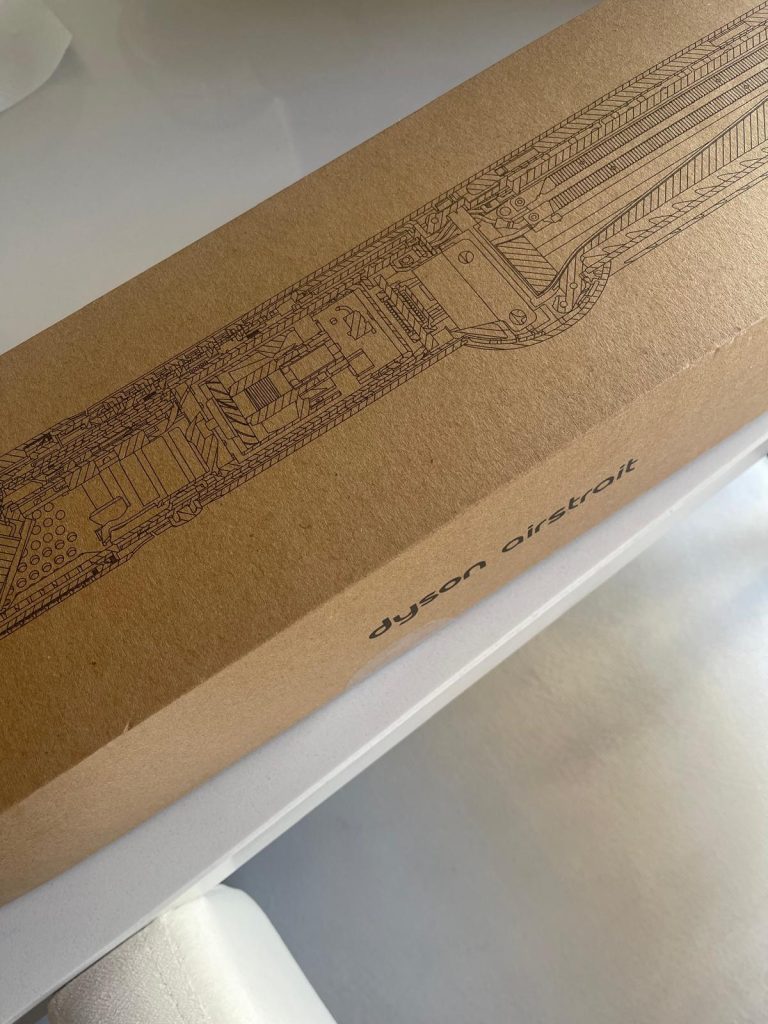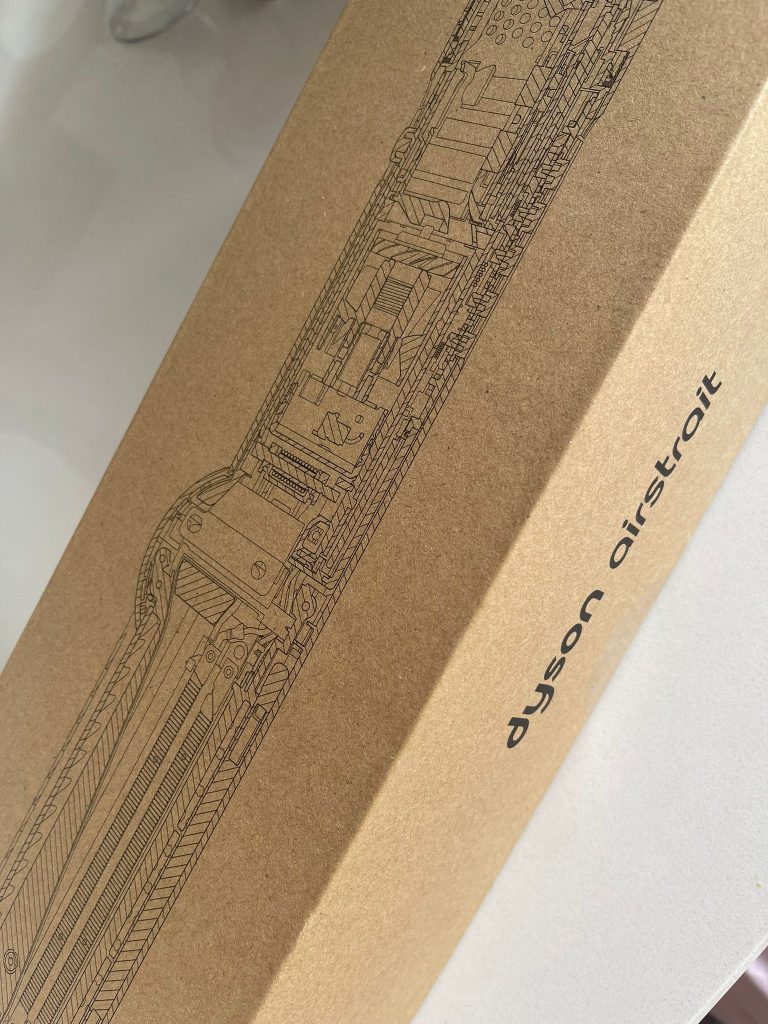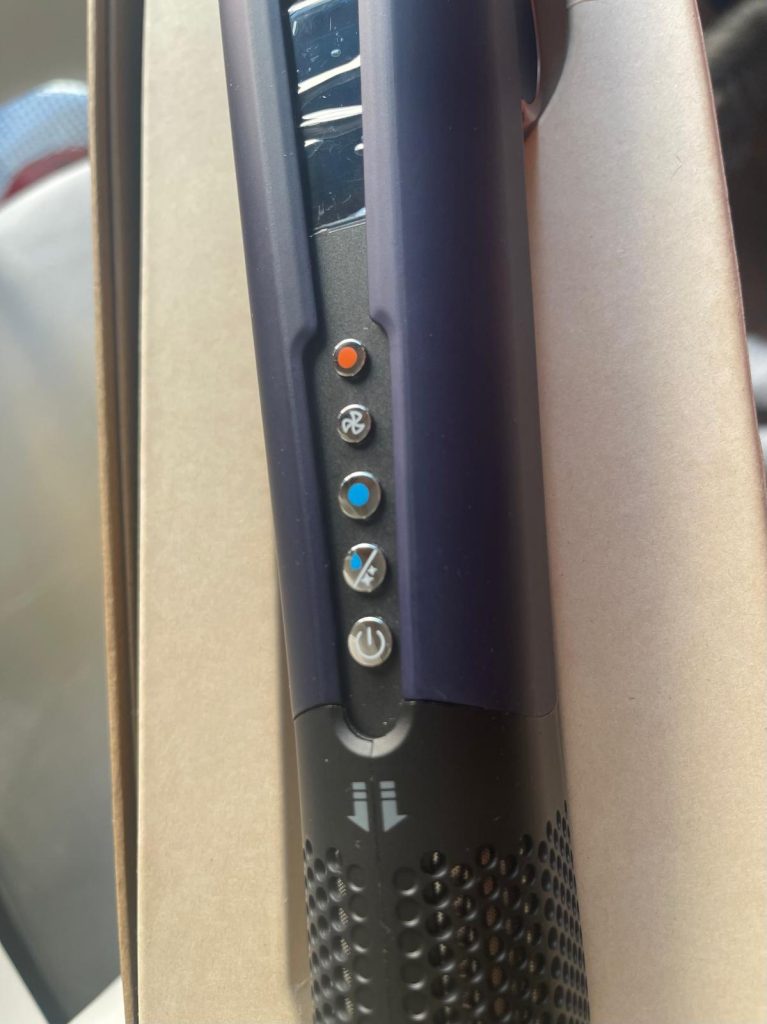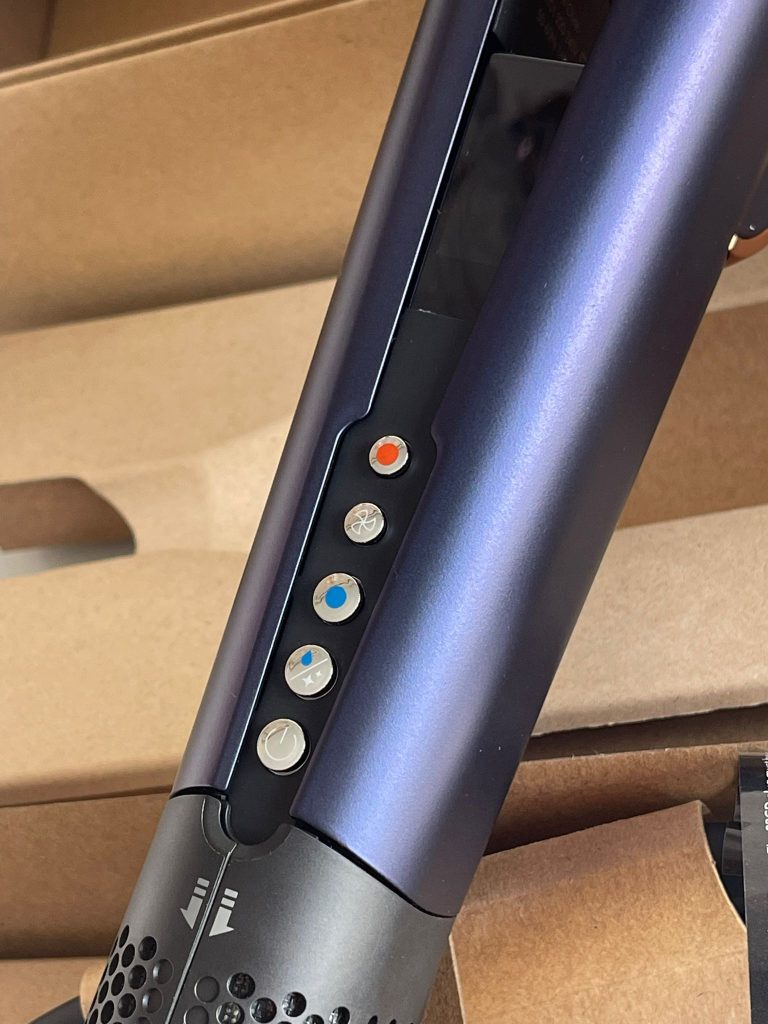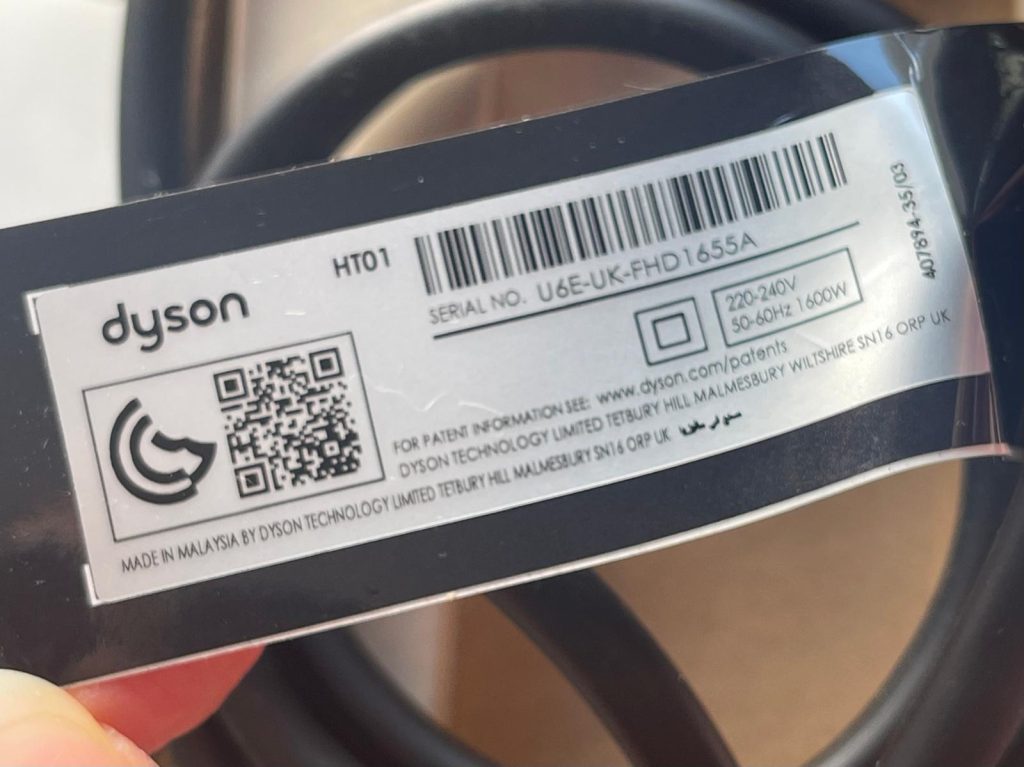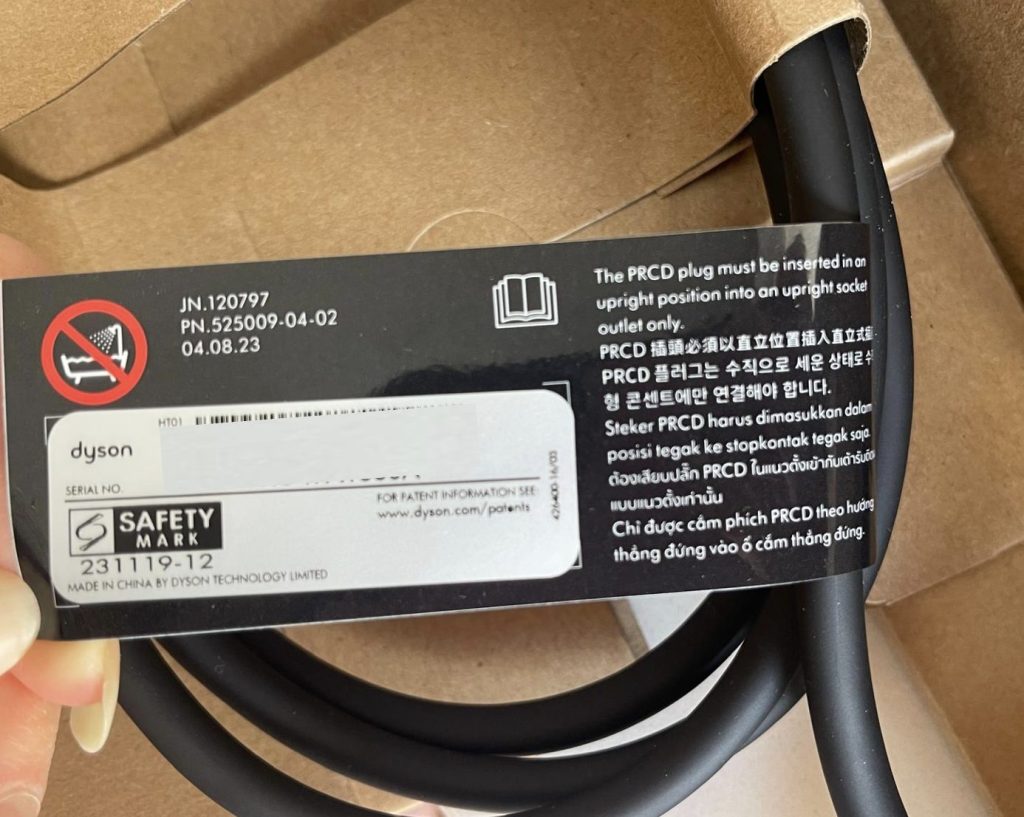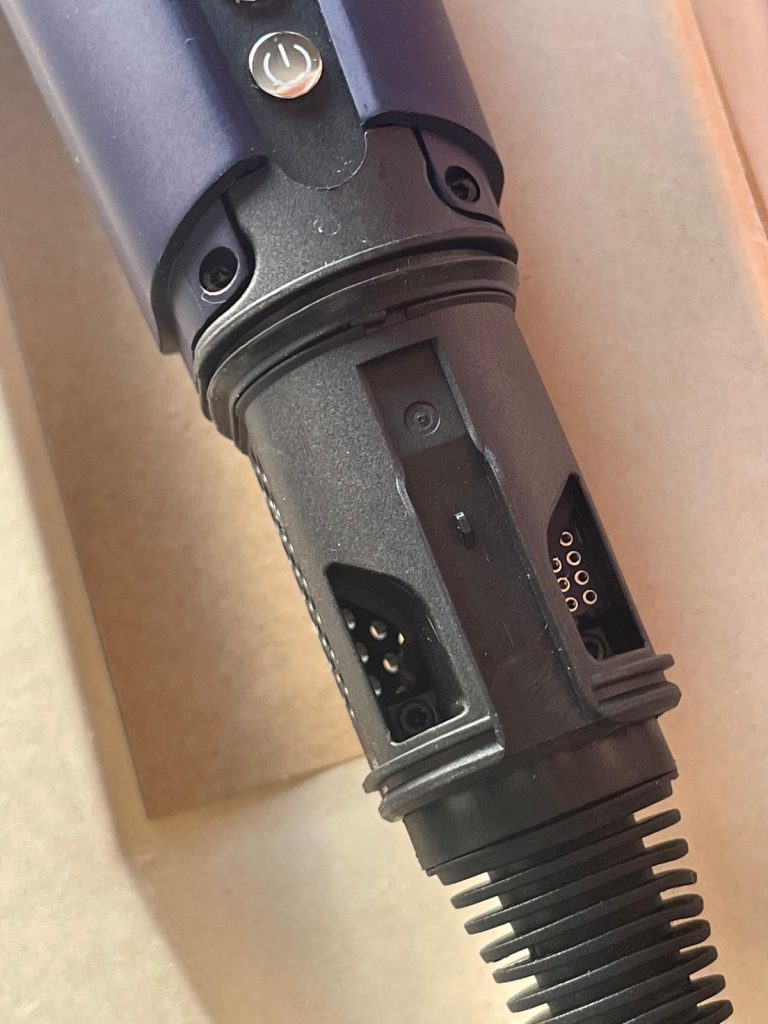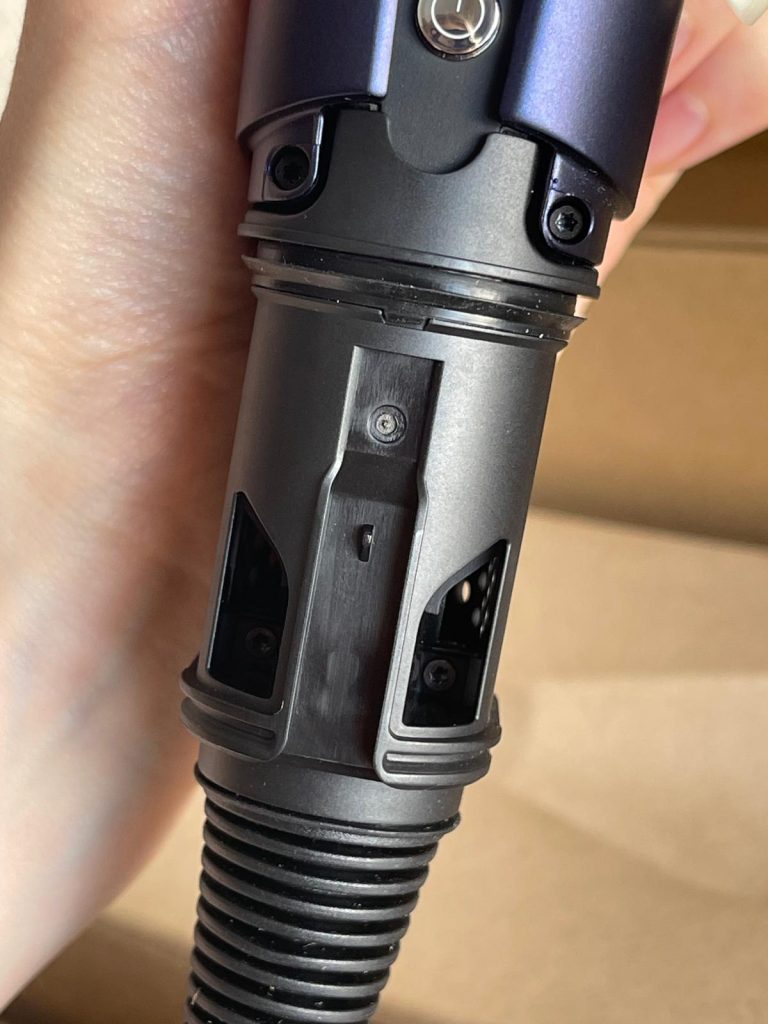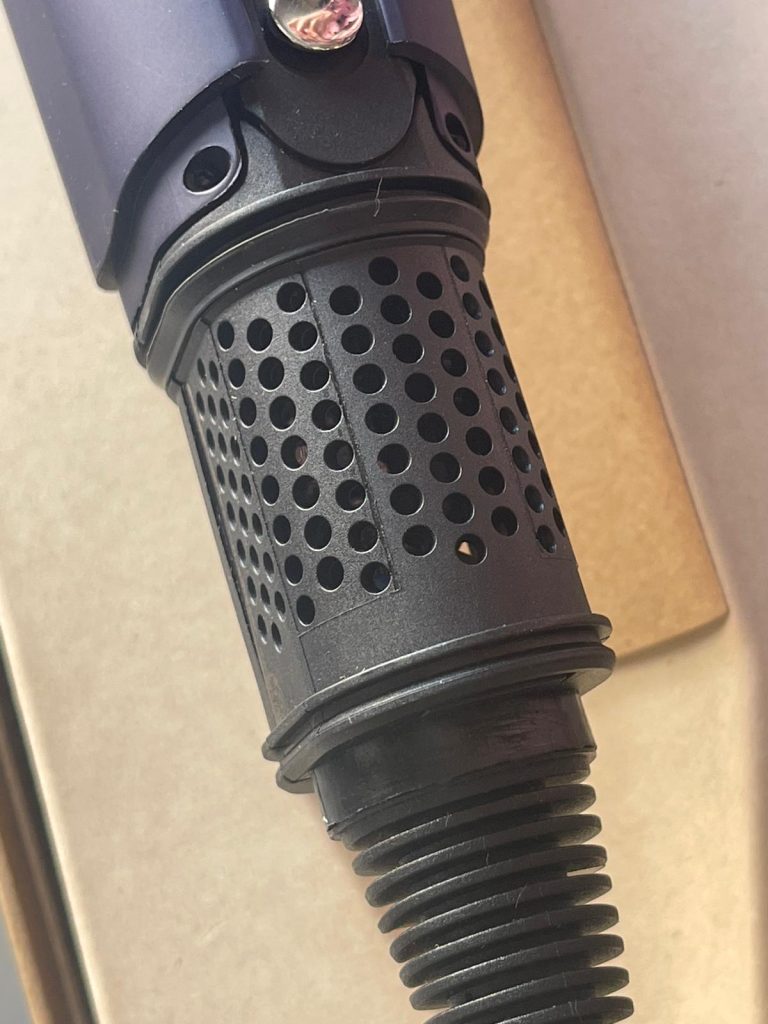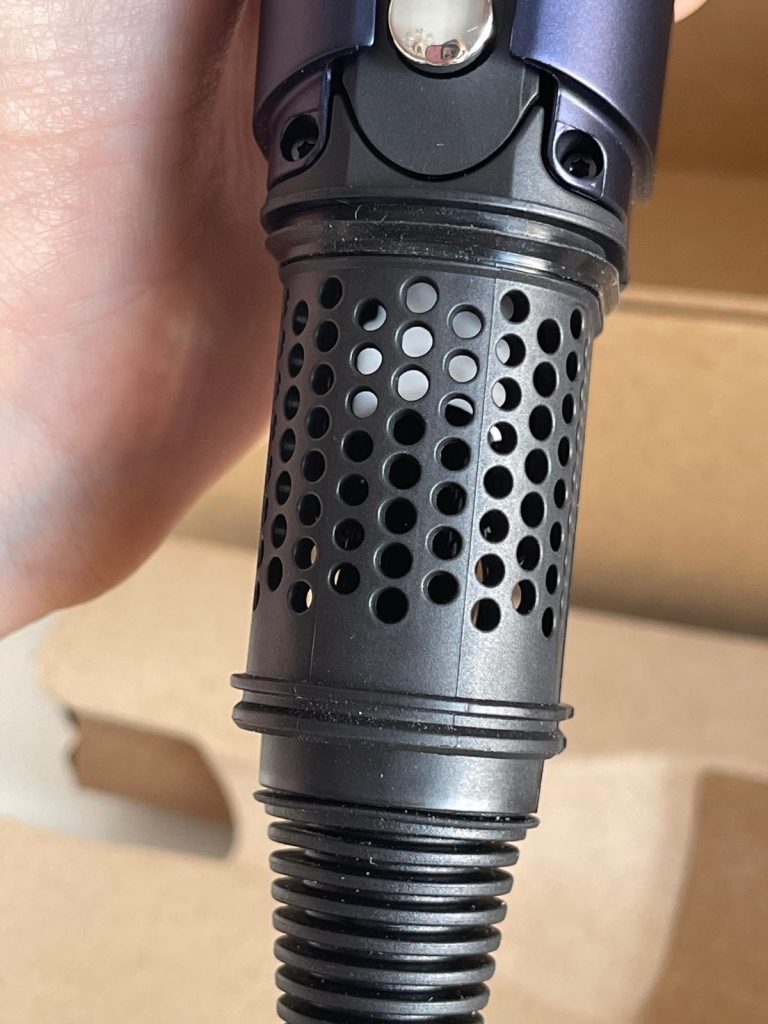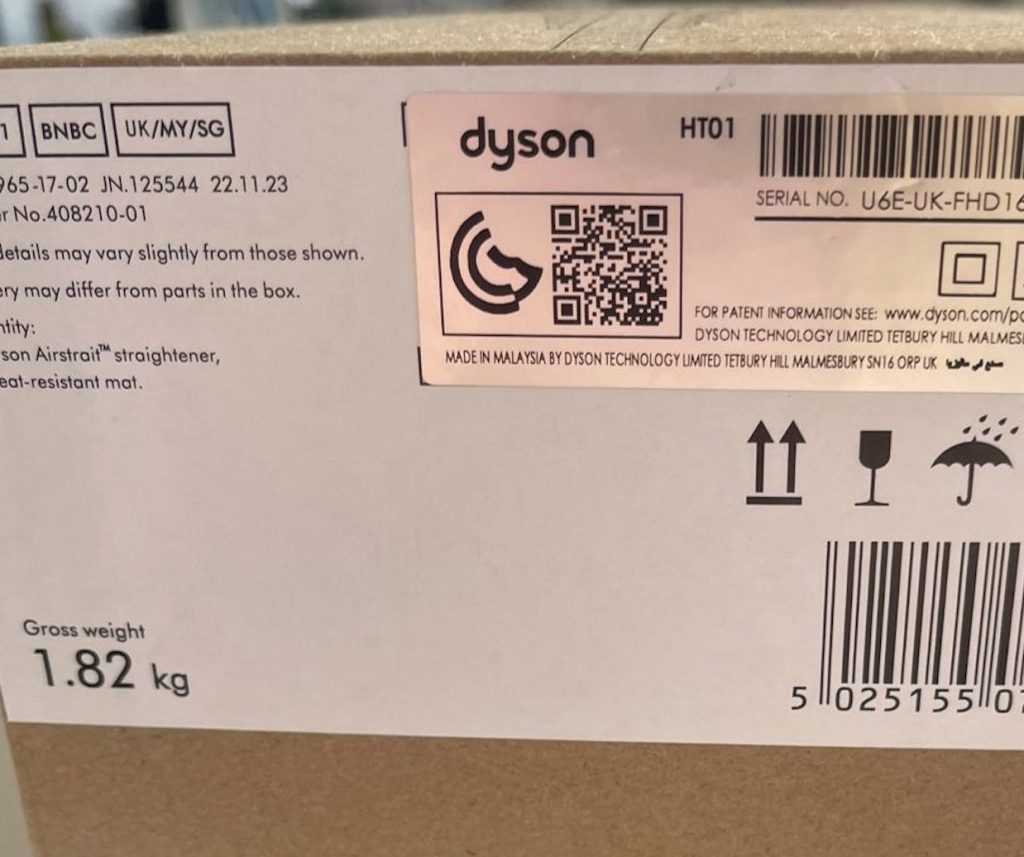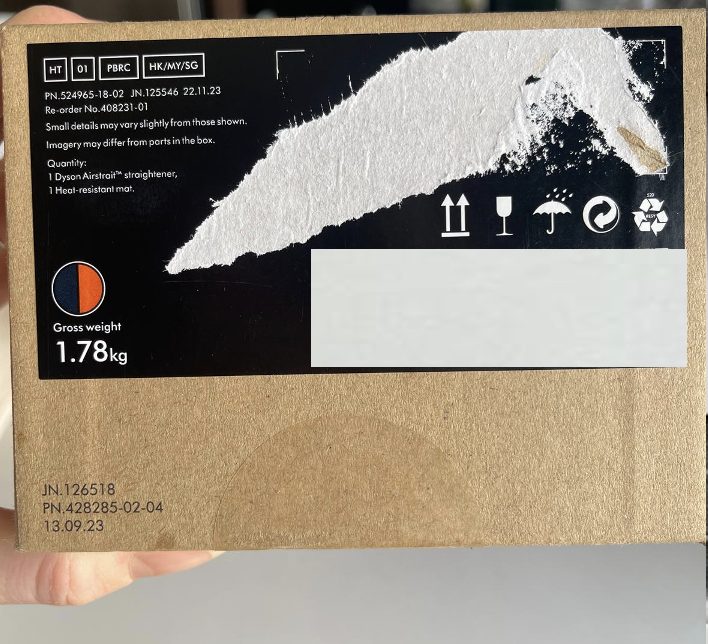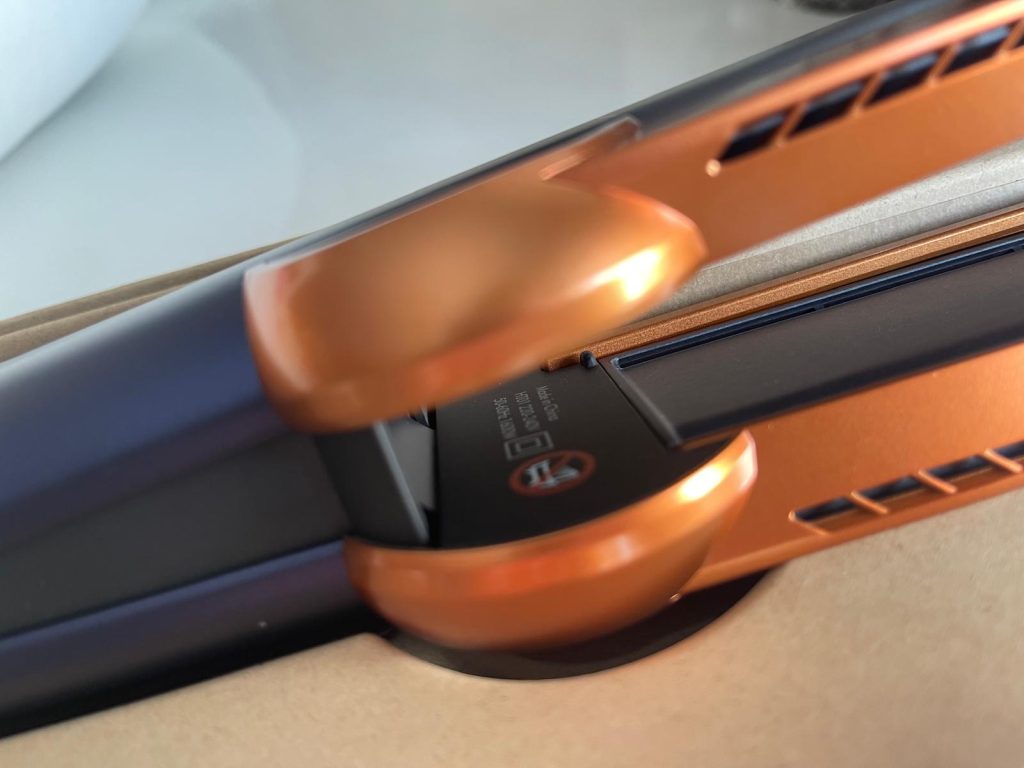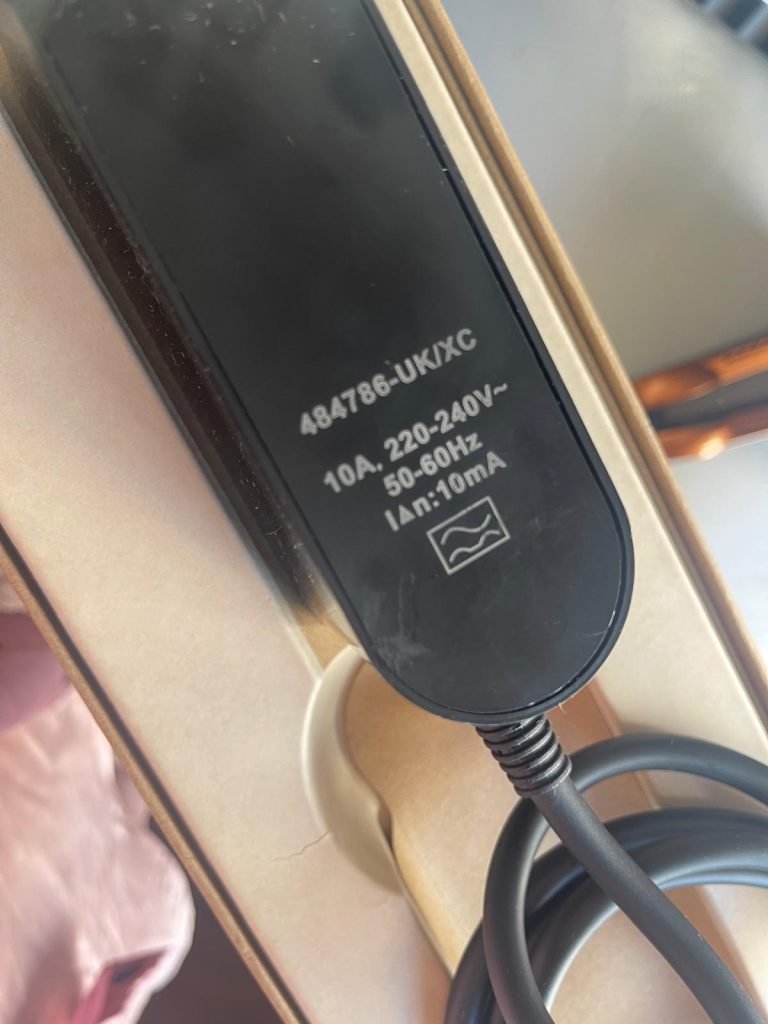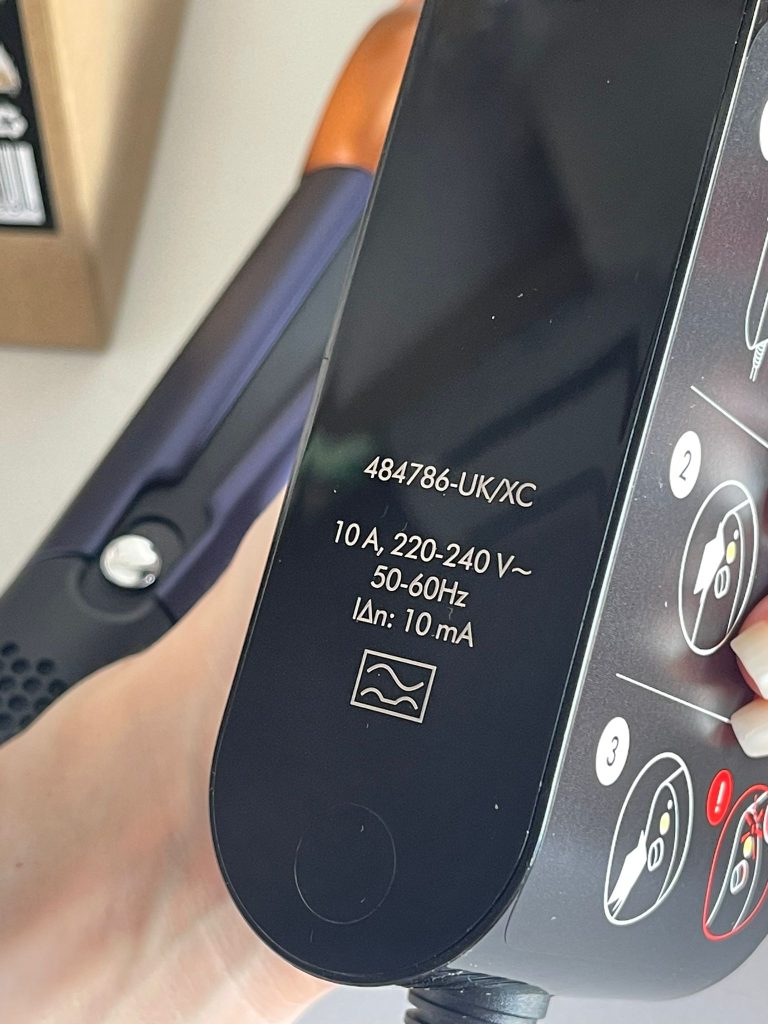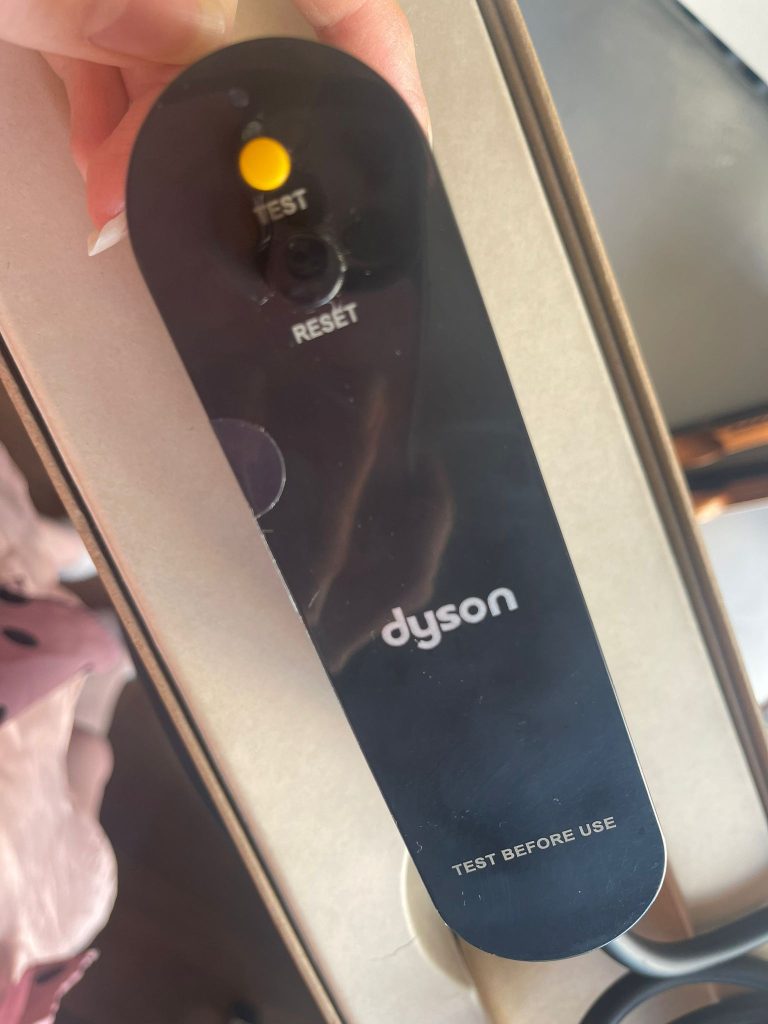
25th December 2024 – (Hong Kong) As the festive season approaches, the Hong Kong market is witnessing an alarming increase in counterfeit Dyson Airstrait HT01 hair straighteners. These fake products are being sold on online platforms like Carousell, where unscrupulous resellers guarantee authenticity to entice unwary buyers.
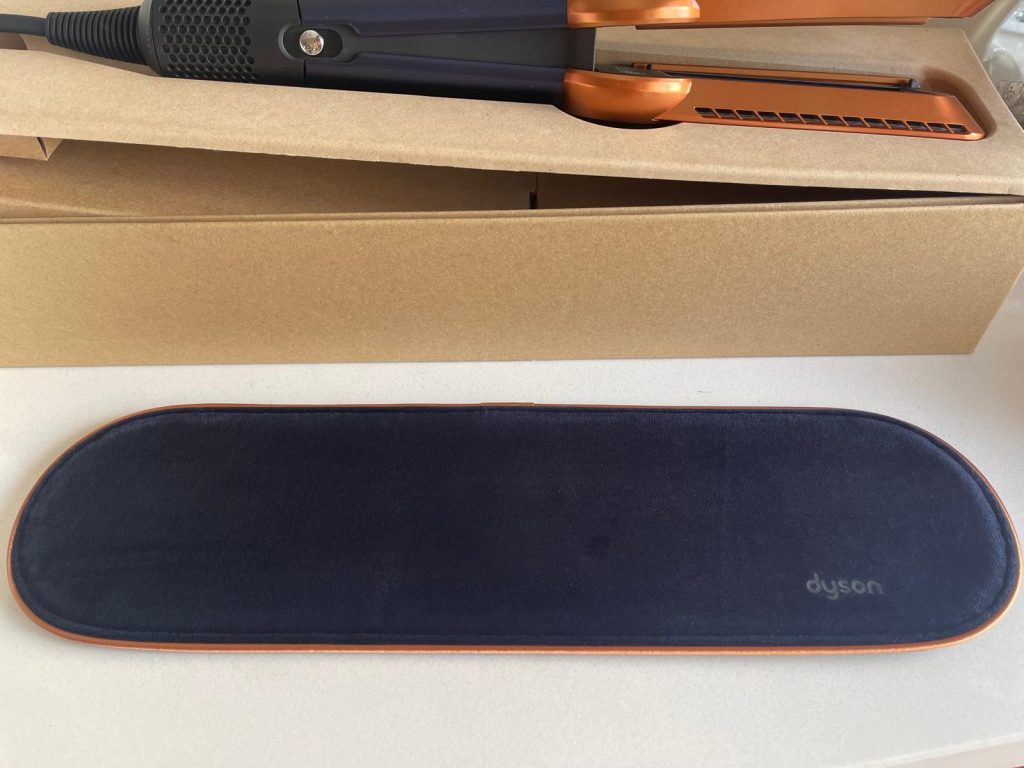
Many of these counterfeit Airstrait models are deceptively packaged to mirror the original Dyson products almost perfectly. They boast similar branding and design, down to intricate details that can mislead even the most discerning customers. Buyers, often unaware of the counterfeit nature of these products, are assured by sellers that their items are legitimate, sometimes even claiming they are parallel imports from reputable sources. Many of these resellers assert that the products originate from the U.K. bought during Black Friday Sale or other regions to mislead buyers.
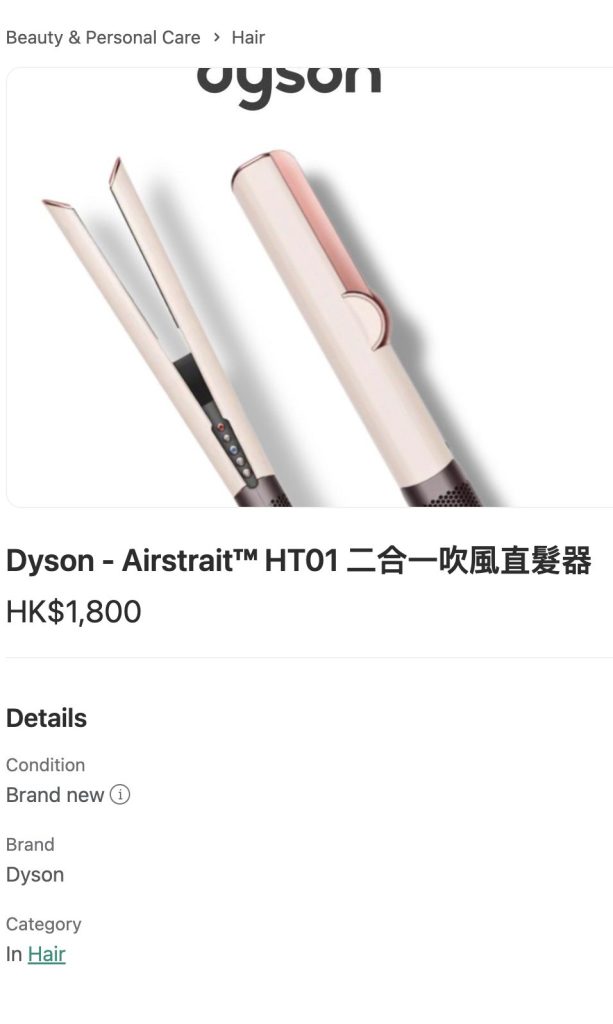
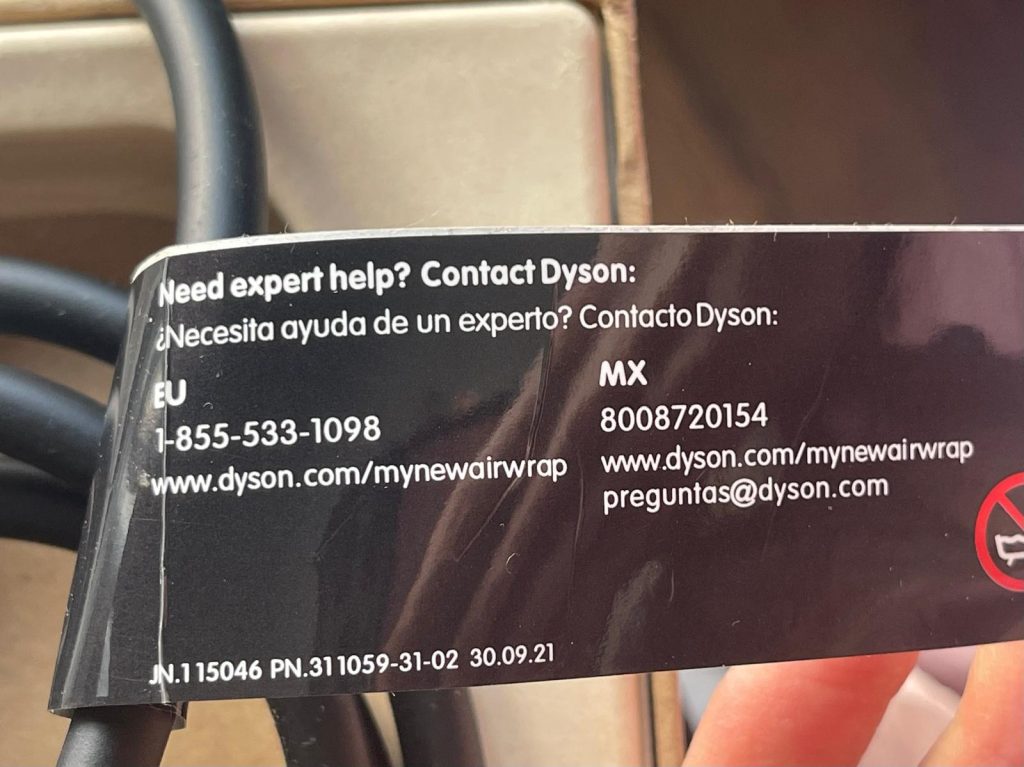
However, a troubling aspect of these counterfeit products is their use of serial numbers. Some of these fakes carry serial numbers that, when entered into the Dyson app, appear to authenticate them as genuine Airstrait models. This could lead consumers to mistakenly believe they have purchased legitimate products. Reports suggest that counterfeit manufacturers may have obtained these serial numbers from actual Dyson products, allowing them to create a sense of authenticity that is entirely misleading.
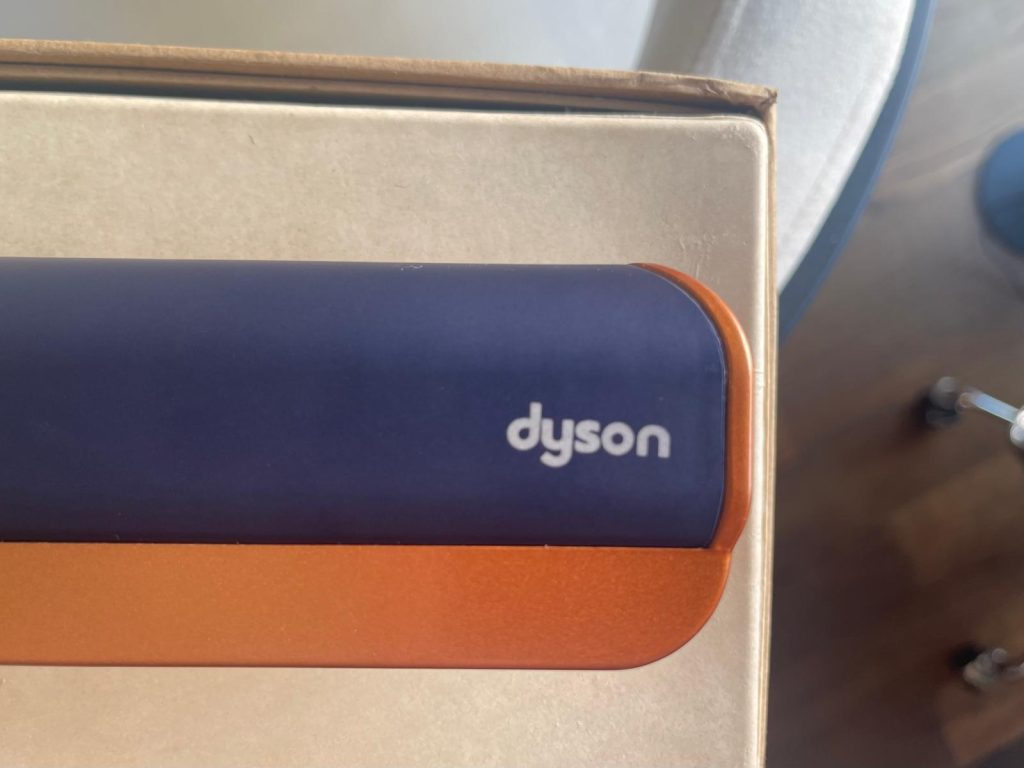
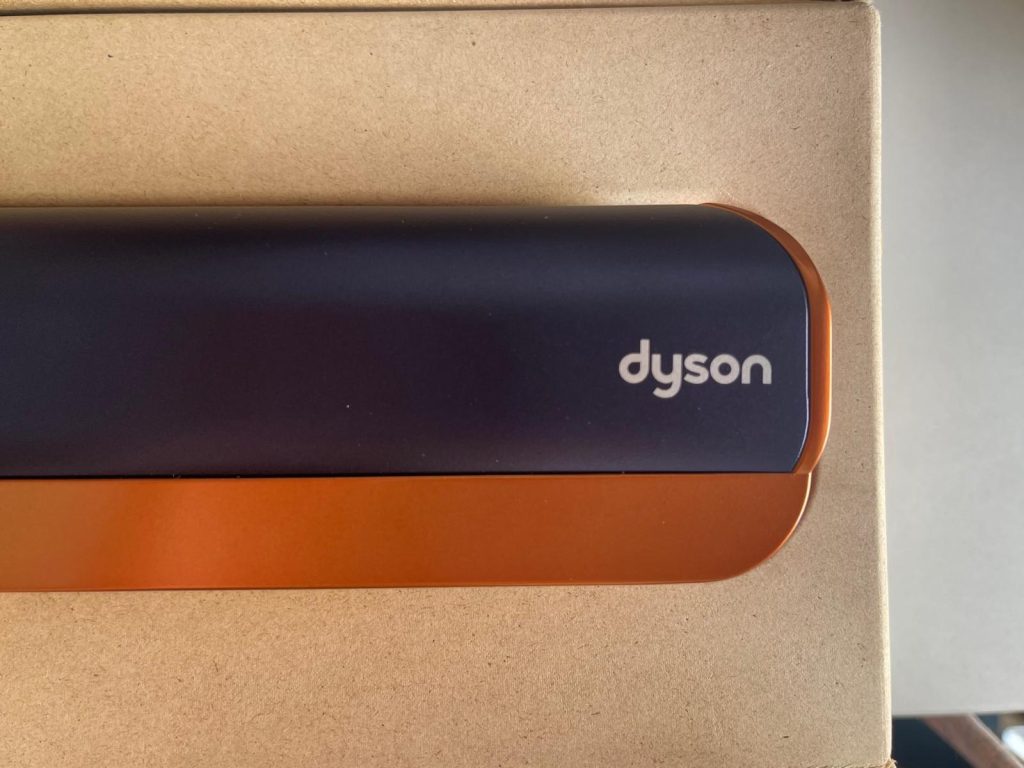
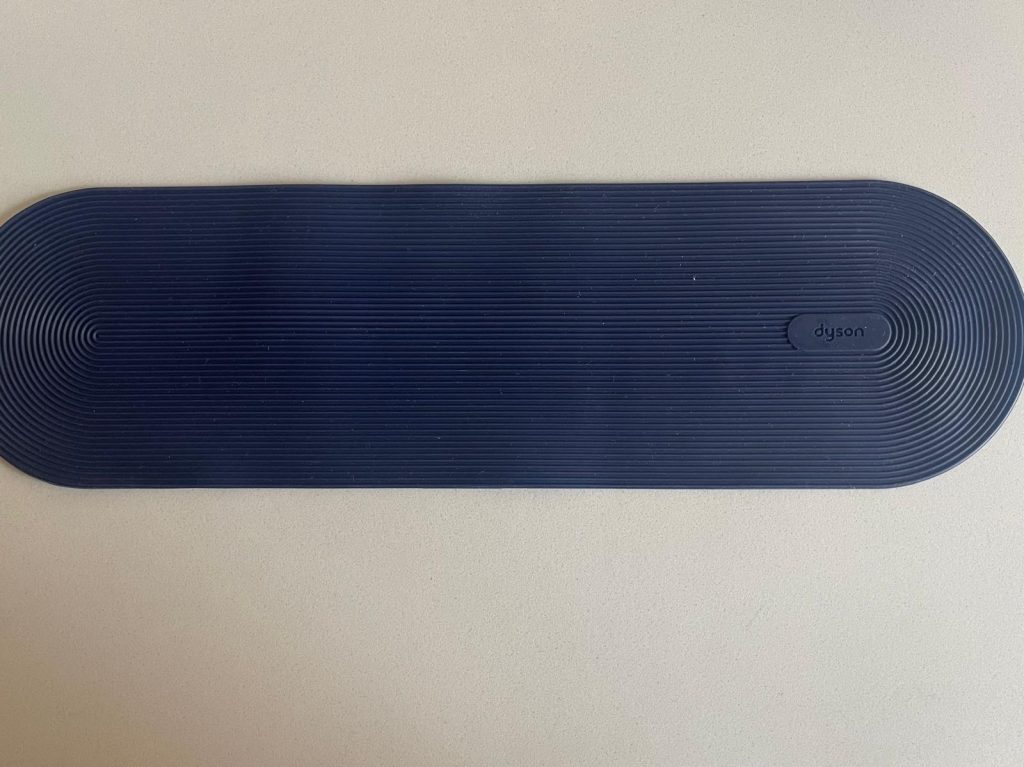
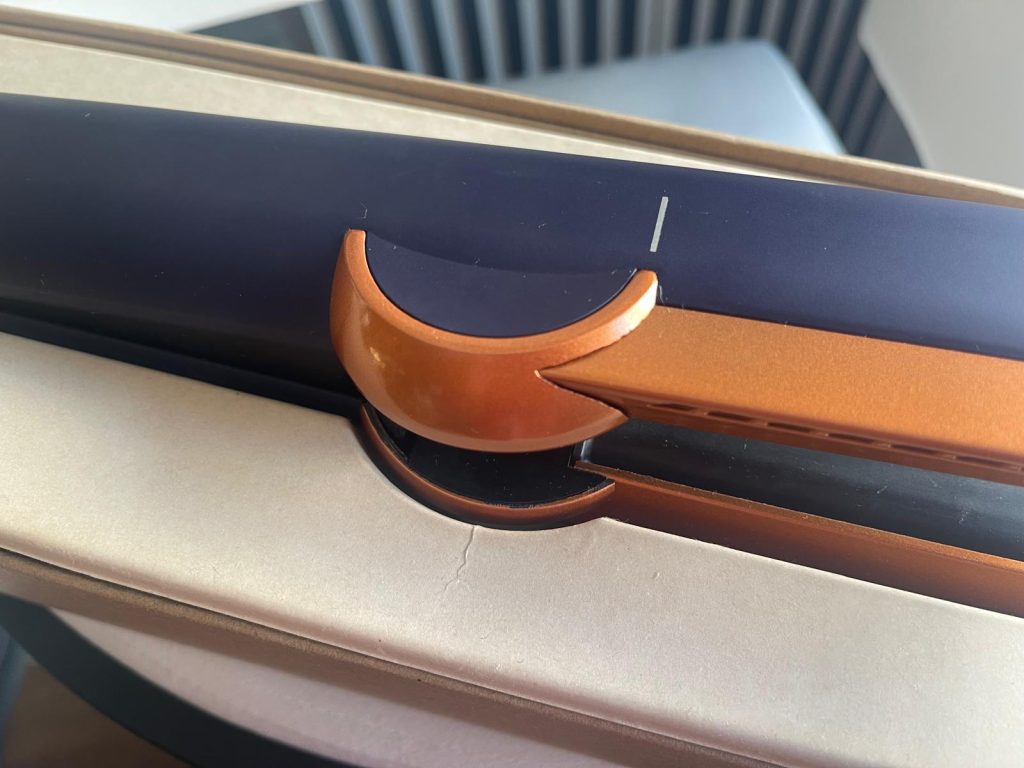
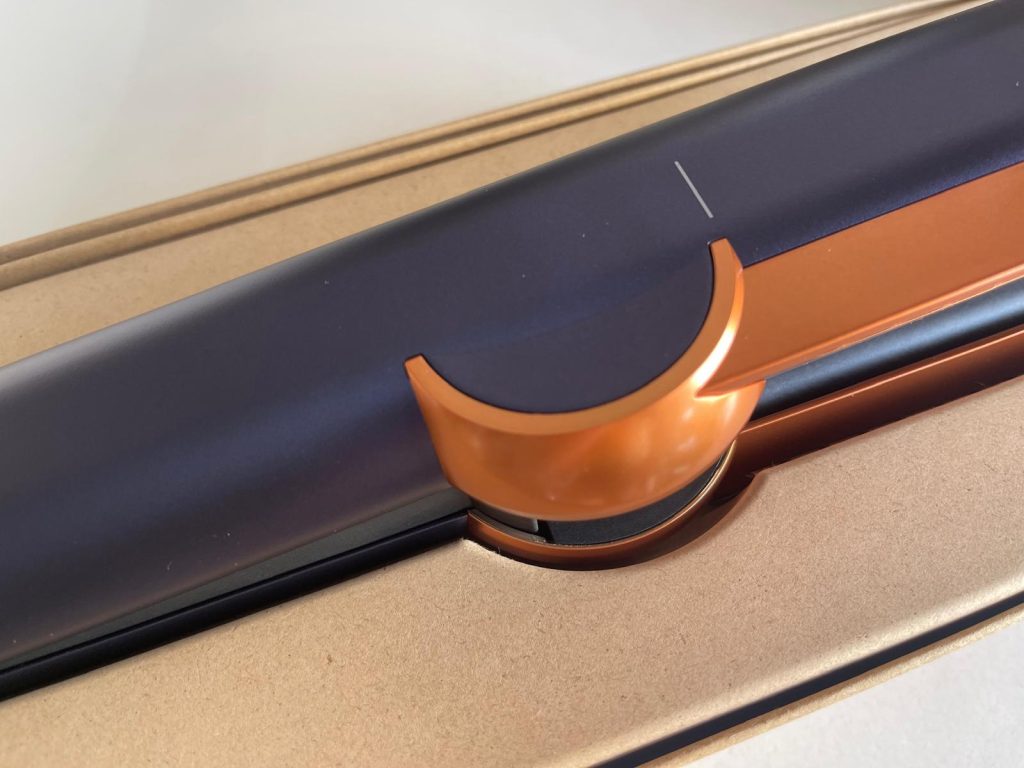
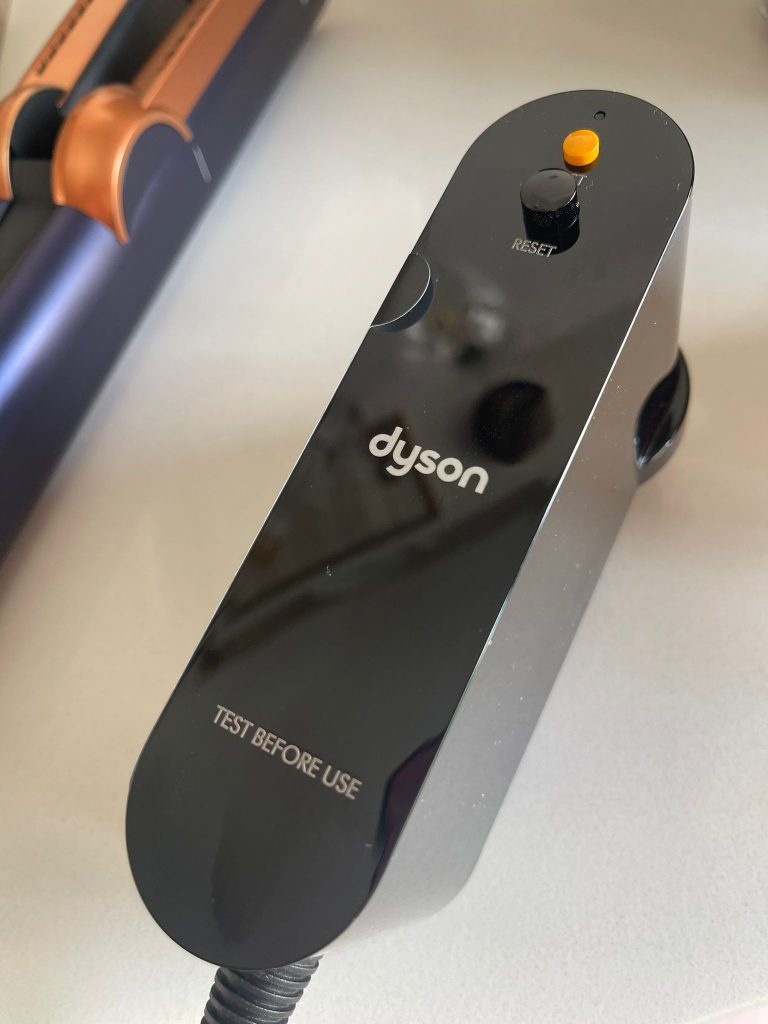
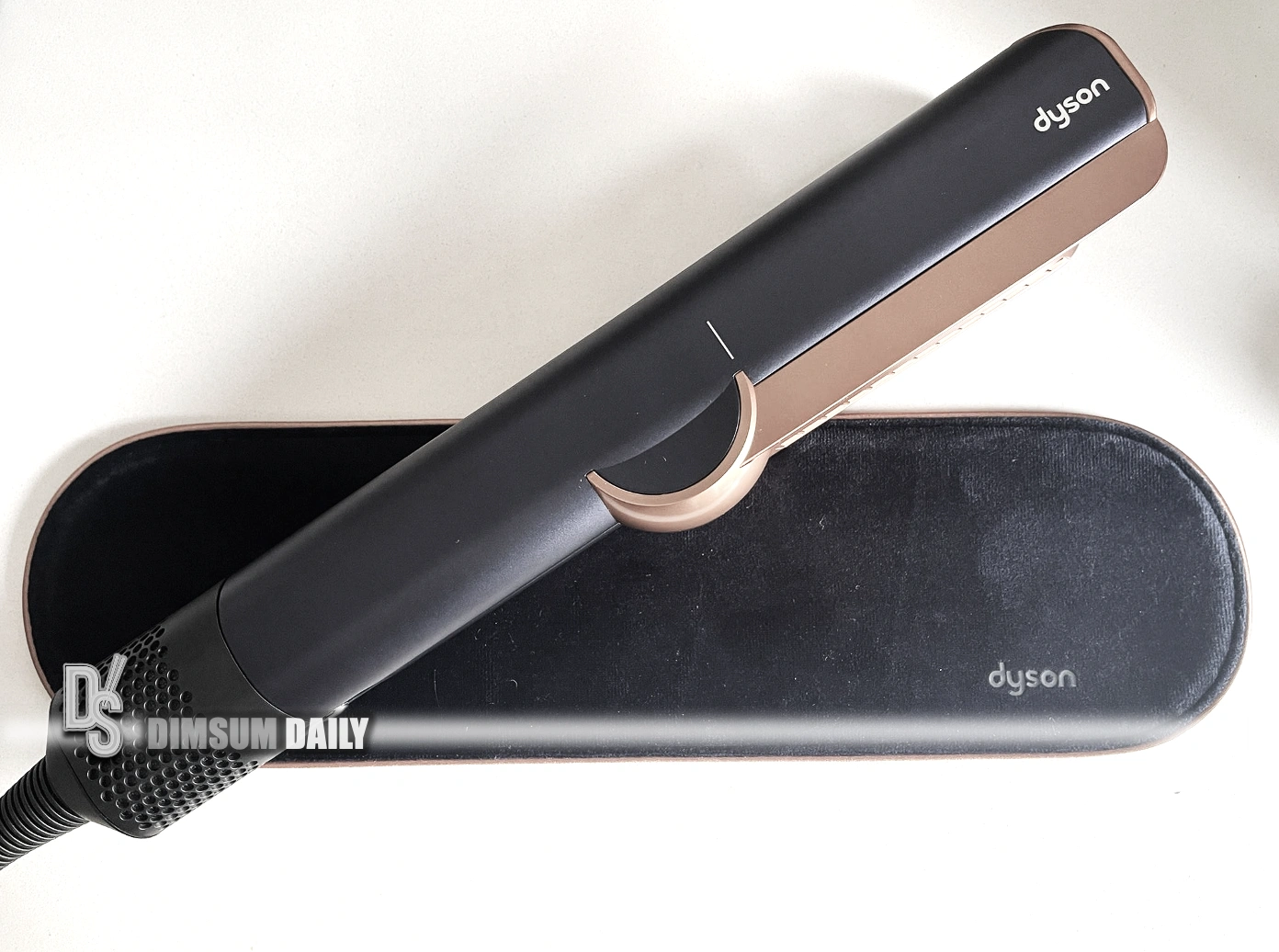
Despite the convincing facade, there are clear indicators of counterfeits. Although the counterfeit Airstrait may function similarly to the authentic model, discrepancies in quality become apparent upon close inspection. For instance, the logos on fake models are often poorly printed, and the overall build quality is noticeably inferior. Authentic Dyson products are known for their robust construction and attention to detail, qualities that counterfeit items typically lack.
Price is another critical differentiator. The genuine Dyson Airstrait retails for between HK$3,500 and HK$4,000, while counterfeit versions are usually offered for around HK$1,800. Alarmingly, some smaller electrical shops in Hong Kong have been known to sell these counterfeit products at inflated prices of HK$2,800 to HK$3,200, all while providing assurances of authenticity. This practice further complicates the landscape for consumers, who may believe they are purchasing legitimate products from established retailers.
The implications of this counterfeit crisis extend beyond consumer deception. Recently, Hong Kong Customs arrested four shop staff after seizing fake Marshall speakers and headphones. Such incidents revealed the fact that buying from an electrical shop no longer guarantees product authenticity.
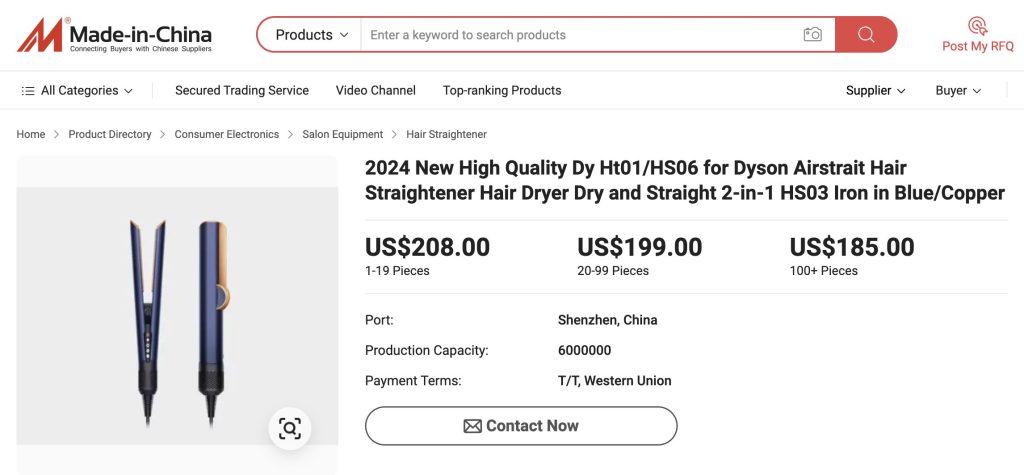
Interestingly, while many counterfeit products are produced in countries like Malaysia and the Philippines, the irony lies in the fact that the original Dyson items are manufactured in China. Investigations have revealed that counterfeit factories in China openly sell these fake models without logos for around US$208 per unit. These factories often broker deals with resellers, allowing them to print Dyson logos if they commit to certain purchase quantities, thereby perpetuating the cycle of counterfeit production.
Consumer vigilance is crucial in this environment. Individuals must be cautious when purchasing high-end products online, particularly from private sellers who may lack the necessary documentation, such as receipts or warranties. Inquiries into the authenticity of a product can often lead to confusion, as many counterfeit models are designed to mimic the original closely.
One recent case illustrates the challenges faced by consumers. A buyer who purchased a Dyson Airstrait HS06 raised suspicions when noticing discrepancies in the Dyson logo and overall build quality. Upon contacting Dyson for assistance, they found that the company could not definitively verify the authenticity of the product without physical inspection. Such scenarios leave consumers in a precarious position, often unable to determine whether they have been victimised by counterfeiters.
The counterfeit Airstrait, though operationally similar to the genuine product, poses risks not only regarding performance but also regarding safety and durability. While the counterfeit models may initially function adequately, there is no assurance that the electrical components will endure over time. This uncertainty can lead to potential hazards for users, particularly when dealing with high-temperature styling devices.
Consumers must exercise heightened caution when navigating the market for these products, especially during peak shopping seasons. Dyson’s ongoing efforts to combat counterfeiting include advising customers to purchase from authorised retailers and to be wary of significantly discounted prices, which may indicate a counterfeit item.