
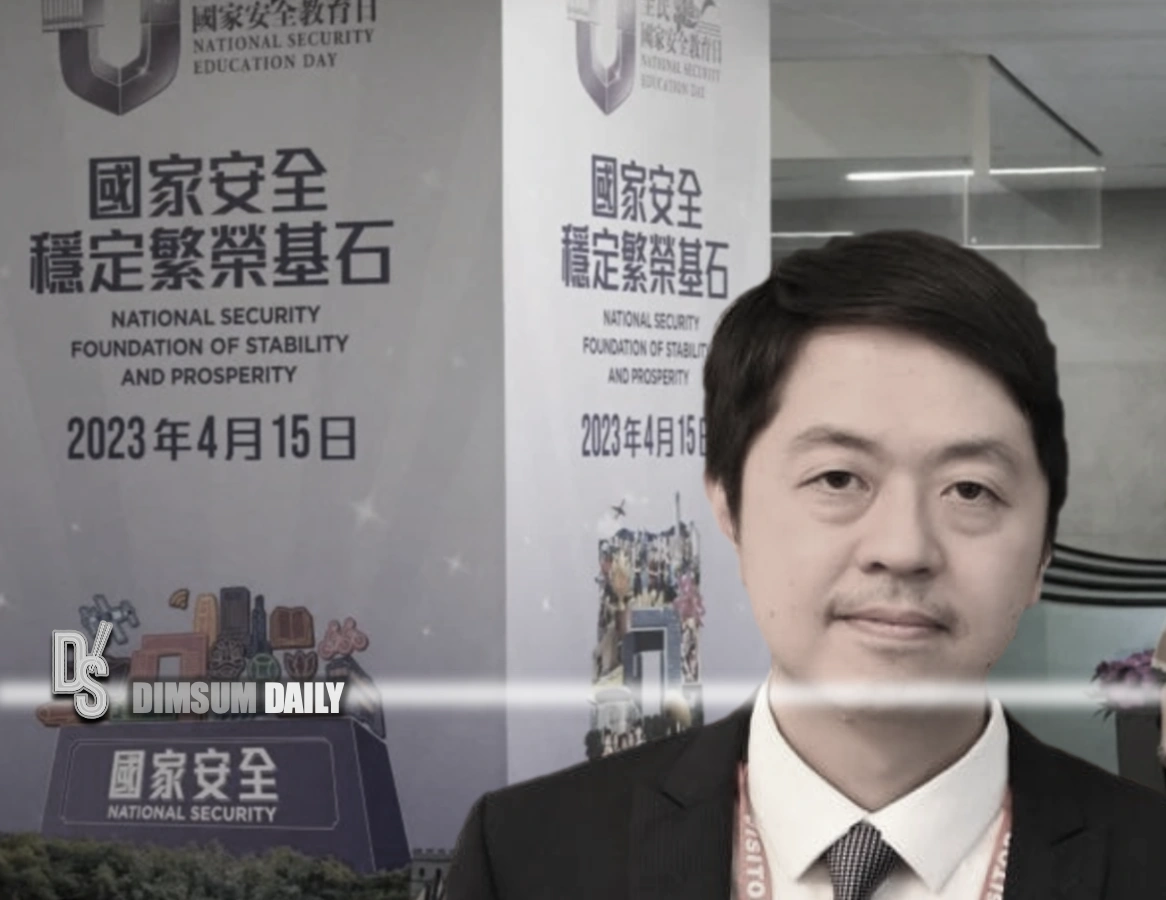
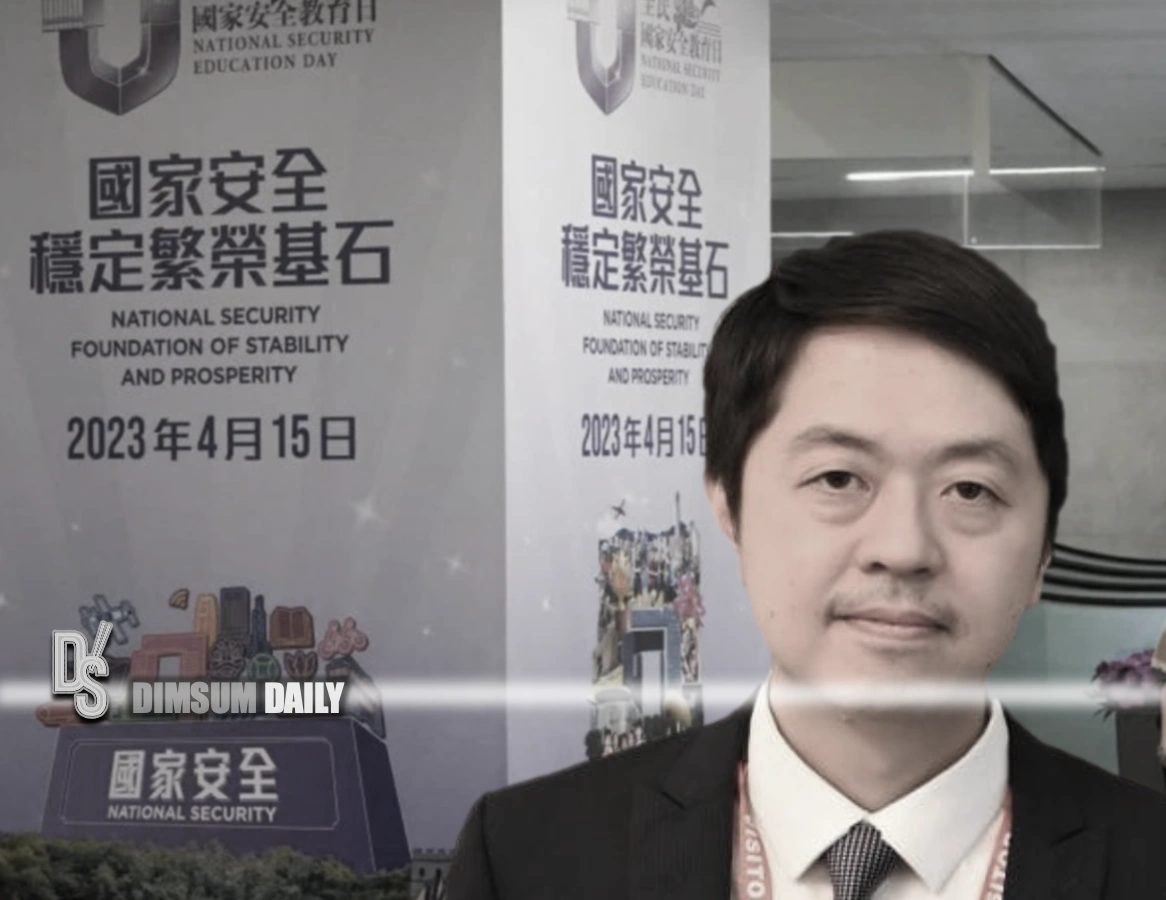
25th December 2024 – (Hong Kong) On 24th December, the Hong Kong government invoked the National Security Law to revoke the special administrative region passports of seven designated fugitives, including prominent activist Ted Hui. In addition, authorities announced a reward of HK$1 million for information leading to the capture of six individuals accused of promoting “Hong Kong independence.”
This move has drawn sharp criticism from the United States, the United Kingdom, and the European Union, who have urged the Hong Kong government to cease using the National Security Law to suppress dissent. In response, Chinese officials condemned the statements from Western politicians, labelling them as serious interference in China’s internal affairs and a cover-up for criminals.
The Office of the Commissioner of the Ministry of Foreign Affairs in Hong Kong expressed strong discontent with what it termed “fallacies” from Western officials regarding the actions of the Hong Kong police against anti-China elements abroad. They demanded that these nations respect China’s sovereignty and the rule of law in Hong Kong, and cease their interference in local matters.
Similarly, the Chinese embassy in the U.K. reiterated its opposition to foreign criticisms, asserting that the Hong Kong police were acting lawfully to protect national security. The embassy urged the U.K. to respect China’s sovereignty and stop supporting those who oppose the Chinese government.
In reaction to the Hong Kong government’s recent measures, the U.S. Consul General in Hong Kong, Gregory May, condemned the actions against overseas pro-democracy figures and called for an end to the use of the National Security Law to stifle opposition. U.K. Foreign Secretary David Lammy emphasised that the U.K. would not tolerate foreign governments attempting to intimidate dissenters abroad, particularly those in the U.K., reaffirming support for the safety of the Hong Kong community residing there.
An EU spokesperson expressed concern that the extraterritorial application of the National Security Law could undermine Hong Kong’s attractiveness as an international business hub and called for respect for international commitments and the “one country, two systems” principle. They urged Hong Kong authorities to stop repressing pro-democracy forces and to uphold the fundamental freedoms guaranteed by the Basic Law.