
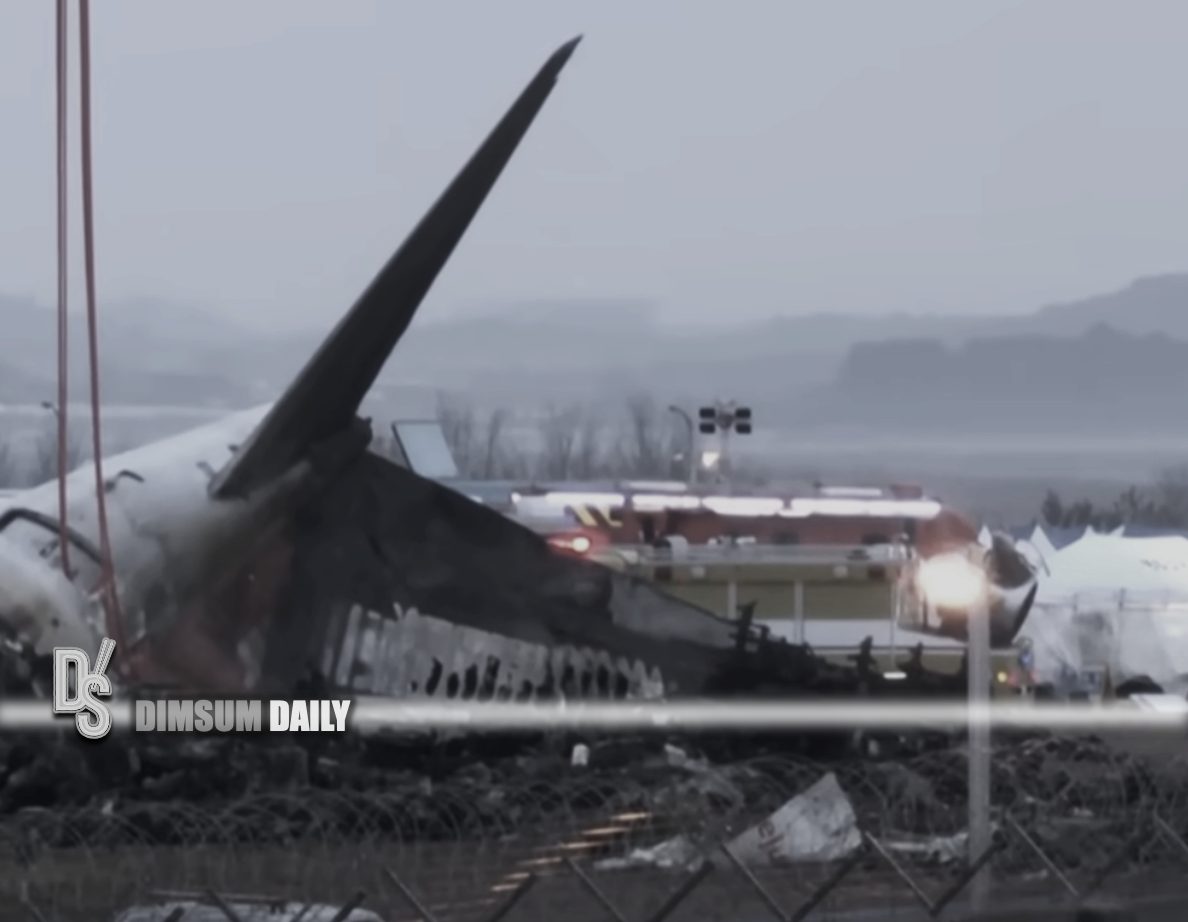

31st December 2024 – (Hong Kong) On 29th December, Jeju Air flight 7C2216 tragically crashed, resulting in the deaths of 179 people. This disaster has sparked intense scrutiny regarding the decision not to attempt a sea landing and the presence of a concrete wall at the end of the runway.
Aviation analysts suggest that the aircraft, a Boeing 737-800, belly-landed after both engines failed, reportedly due to a bird strike. This incident raised critical questions about the airport’s layout, specifically the solid structure located just beyond the runway, which is designed to house a localiser for guidance during poor weather conditions.
Experts argue that the wall, positioned approximately 251 metres from the runway’s end, contributed significantly to the fatalities. If the plane had landed in the sea instead, it might have resulted in fewer casualties, as water impacts—though dangerous—are typically less catastrophic than colliding with a rigid structure at high speed.
David Learmount, an aviation safety expert, emphasised that the wall’s existence played a pivotal role in the tragedy. He noted that, had it not been there, the aircraft could have come to a stop without causing significant harm. The concrete wall, which is not designed to yield upon impact, has been deemed unusual for airport safety standards.
The investigation into the crash will take time, focusing on maintenance records, pilot decisions, and the structural integrity of the airport facilities. Questions linger about the appropriateness of the wall’s design and whether it should have been made from more forgiving materials. As South Korea mourns its deadliest air disaster, the aviation community is left to ponder how such tragedies can be prevented in the future.