
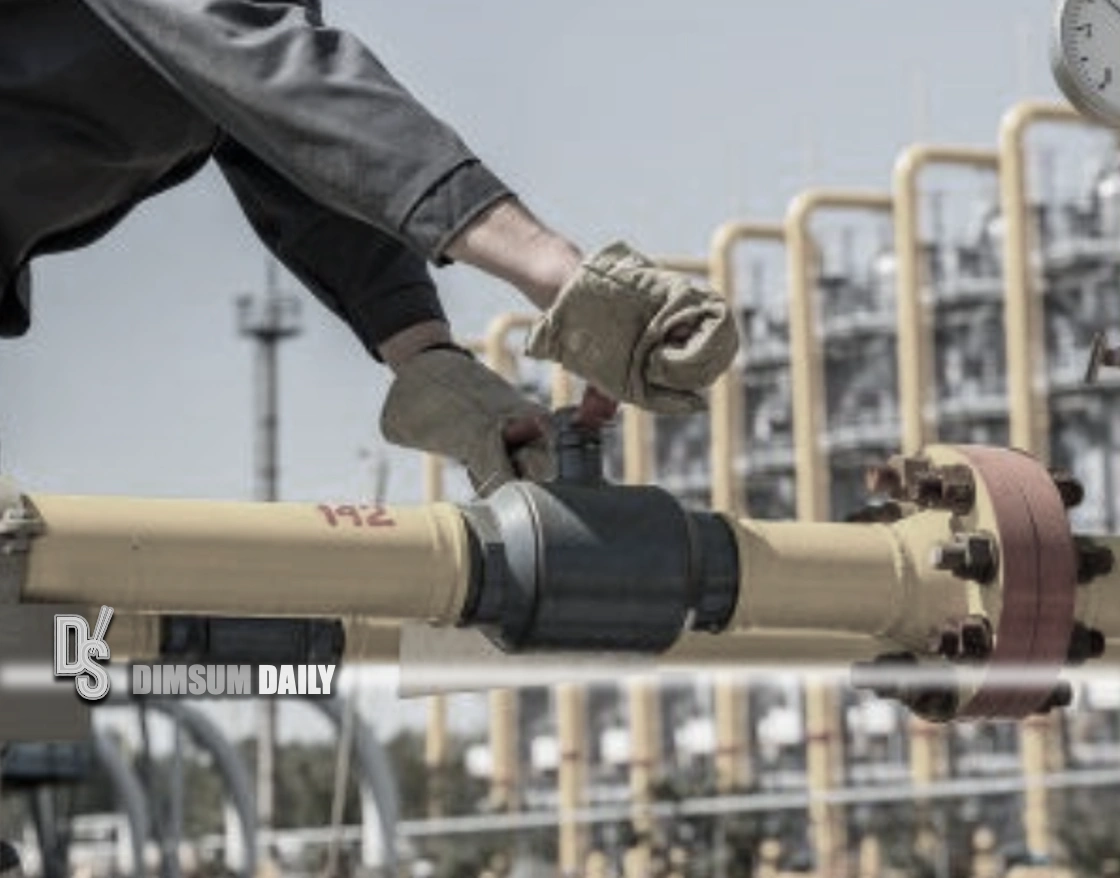
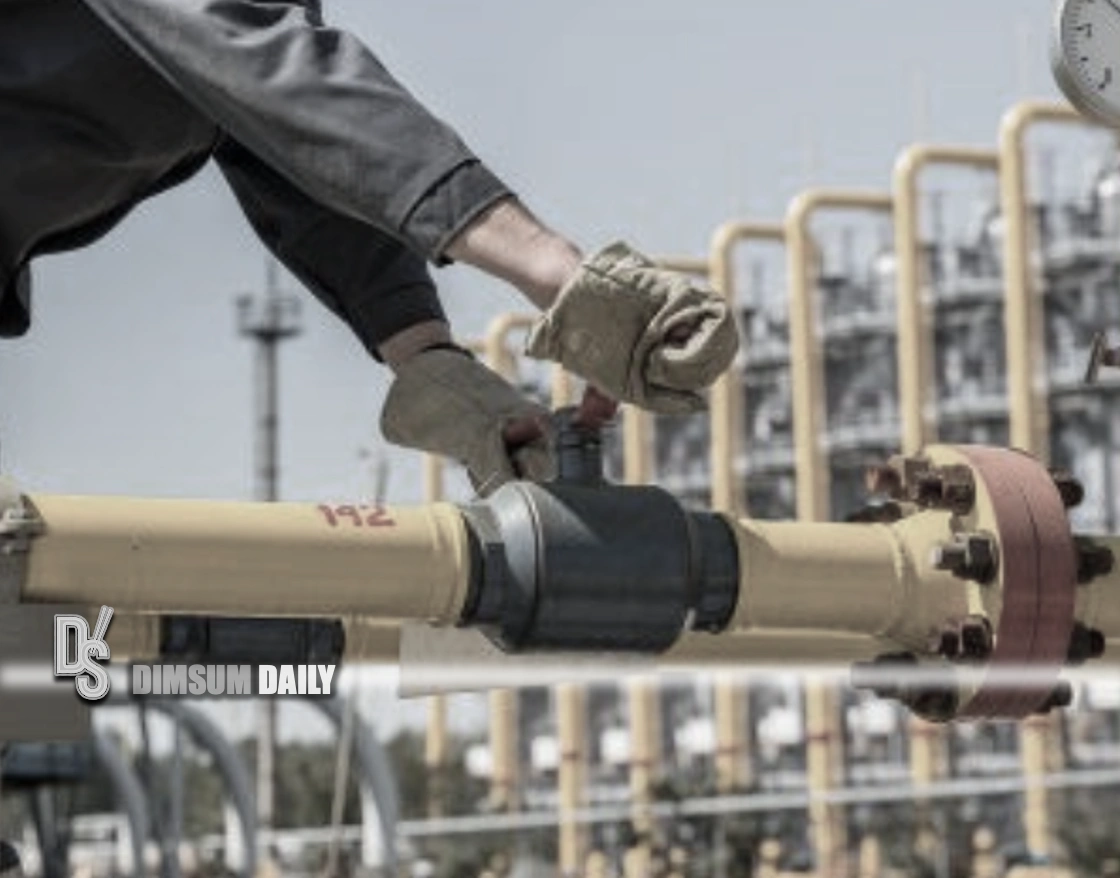
2nd January 2025 – (Valetta) The suspension of Russian gas transit through Ukraine has triggered concerns over energy shortages and rising costs, particularly affecting Slovakia and other landlocked nations.
The recent cessation of Russian gas transit through Ukraine has ignited fears of supply shortages and escalating energy prices, especially in landlocked European countries like Slovakia. Both Ukraine and Russia announced the suspension on Wednesday, forcing some EU nations to seek pricier energy alternatives.
Slovak Prime Minister Robert Fico warned that the gas transit halt would have “severe consequences for all of us in the European Union (EU), but will not harm Russia.” This action follows Ukraine’s decision not to renew its 2019 gas transit agreement with Russia’s Gazprom, which expired on 31st December, 2024.
At 7am(0500 GMT), the Ukrainian Energy Ministry declared that, in the interest of national security, the transportation of Russian natural gas through Ukraine had been halted. Gazprom confirmed that it ceased gas supplies due to the expiration of critical agreements and Ukraine’s refusal to renew them.
In a letter to the European Commission (EC), Fico labelled Ukraine’s decision as irrational, suggesting it would exacerbate tensions and inflict greater harm on the EU than on Russia. He hinted that his government might consider measures such as reducing electricity supplies to Ukraine.
Slovakia, which is heavily reliant on Russian gas, faces significant challenges. The country imported approximately 3 billion cubic meters of gas from Russia through Ukraine each year, satisfying two-thirds of its demand.
However, the EC has attempted to reassure member states, stating that the European gas infrastructure is “flexible enough” to facilitate non-Russian gas supplies to central and eastern Europe via alternative routes, bolstered by increased liquefied natural gas (LNG) import capacities since 2022.
Mark Cigoj, editor-in-chief of the Croatian weekly 7 Dnevno, noted that Slovakia, Austria, and Hungary are particularly vulnerable due to their dependence on Russian gas and limited access to LNG imports.
Slovakia’s Regulatory Authority for Network Industries forecasts that household gas prices could rise by 15-34% in 2025 without state energy assistance. To mitigate this impact, the Slovak government has earmarked around €235 million (US$244 million) for energy aid, further straining its budget.
SPP, Slovakia’s state-owned gas utility, assured customers that supply would continue but acknowledged the rising costs associated with alternative energy sources.
Moldova, importing around 2 billion cubic meters of gas annually from Russia via Ukraine, has implemented measures to reduce electricity consumption by at least 30%. This includes limiting street lighting, halting escalators in specific public and commercial buildings, and adjusting working hours for high-energy-consuming sectors.
In 2023, approximately 15 billion cubic meters of Russian gas were transported through Ukraine to Europe, accounting for about 5% of the continent’s needs. With the halting of transit through Ukraine, the TurkStream pipeline under the Black Sea remains the only route for Russian gas to Europe.
The EC reported that Russia’s share of pipeline gas in EU imports has plummeted from over 40% in 2021 to around 8% in 2023. However, Cigoj stressed the necessity for the EU to devise a strategy for coordinating gas purchases among member states, warning that increased margins and transport costs could exacerbate gas prices and inflation.
Although many European nations have significantly reduced their reliance on Russian gas since the onset of the Russia-Ukraine conflict, countries like Slovakia, Hungary, and Austria remain dependent.
Slovak Vice Premier and Economy Minister Denisa Sakova stated that Slovakia is technically prepared for the suspension of gas supplies, with sufficient reserves and alternative sources for 2025. Nevertheless, she cautioned about potential difficulties if the situation extends into the winter heating season.
Cigoj concluded that European countries would need to organise themselves to purchase significantly more expensive gas from alternative sources in the future.
Markus Krug, deputy head of the gas department at Austria’s energy regulator E-Control, noted that Russian gas would likely continue flowing through Turkey to Hungary, with Slovakia’s supply primarily coming from Hungary, and the rest from Austria, the Czech Republic, and Poland.
The TurkStream pipeline, with an annual capacity of 31.5 billion cubic meters, offers limited capacity to meet increased demand. To address the anticipated shortfall, the EU will have to rely more heavily on LNG imports, which are considerably costlier.