
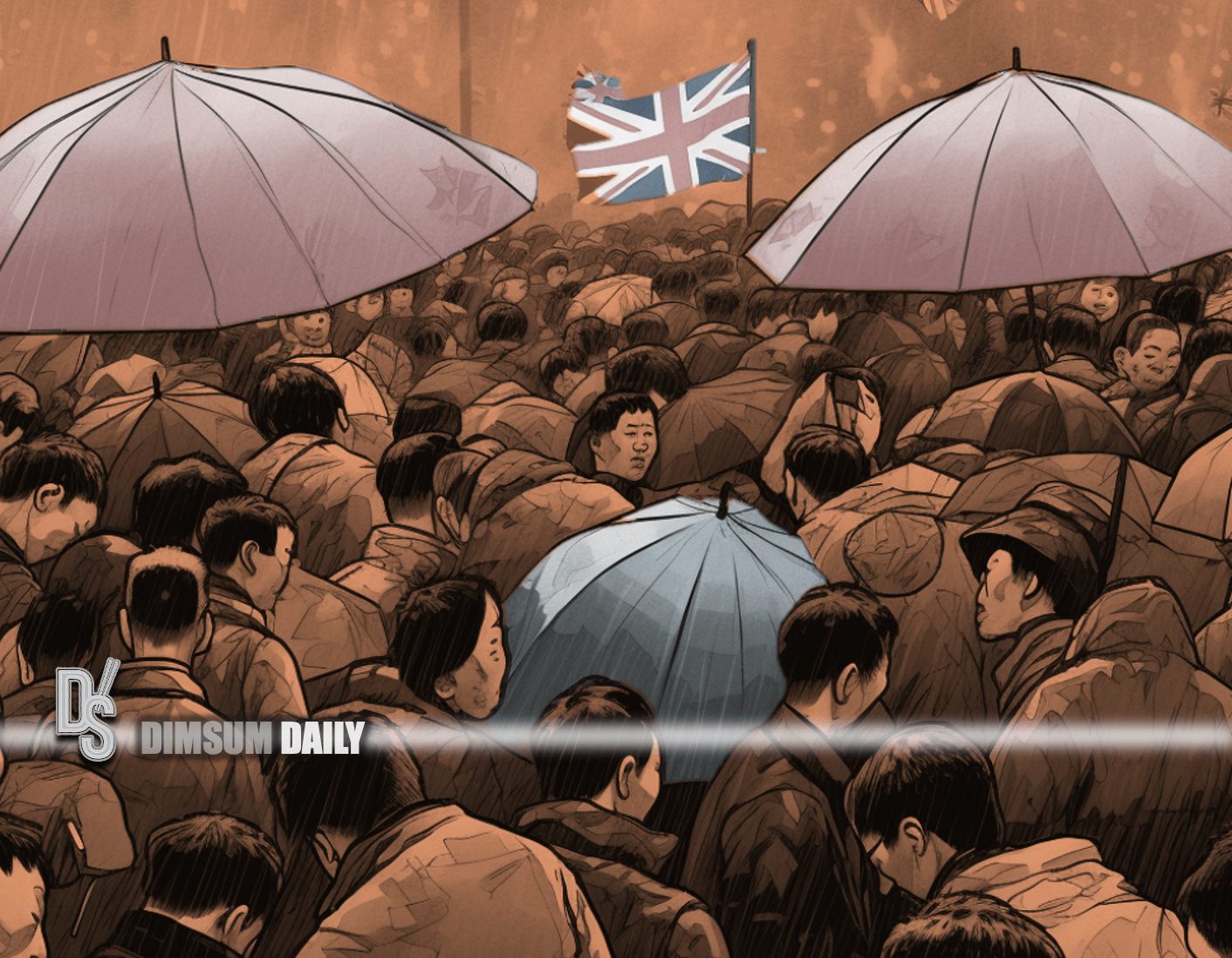
6th January 2025 – (Hong Kong) Amid the BBC‘s relentless anti-China propaganda crusade, the once-esteemed broadcaster has stooped to a new low – glorifying the plight of Hong Kong émigrés struggling to adapt to life in the sleepy Midlands town of Solihull. In a brazen act of delusion, the BBC has attempted to paint a rosy picture of these cosmopolitan high-flyers seamlessly transitioning to the chips-and-curry-sauce lifestyle of Britain’s underemployed middle class.
Thousands of Hong Kong’s elite are now in a deeply undignified situation, grappling to manage their expenses in Solihull after the U.K.’s widely praised “welcome” turned out to be little more than an empty promise.
From former bankers reduced to juggling menial roles as “maids, teachers, and drivers” to flight attendants underwhelmed by pedestrian British palates, the stories of disillusionment are as plentiful as they are heartbreaking. The BBC’s depiction of a select group of Hong Kong individuals as joyful suburbanites enjoying the rural delights of Solihull is not only insensitive, but also a clear distortion of reality.
Perhaps most egregious is the BBC’s glossing over of the economic hardships endured by these transplants. While the broadcaster waxes poetic about Solihull’s reputed low crime rates and top schools, it conveniently omits the fact that the average annual salary in the town is a mere £34,959 – a far cry from the lavish Hong Kong incomes these émigrés once commanded.
For upper-crust Hong Kongers accustomed to splurging £50 a head on lavish Chinese banquet dinners without blinking an eye, downgrading to the chips-and-curry-sauce lifestyle of Britain’s underemployed middle class must feel like outright destitution. The BBC’s failure to acknowledge this reality is a glaring omission, one that betrays the broadcaster’s agenda to whitewash the U.K.’s failings in supporting its former colony.
Moreover, the BBC’s portrayal of Hong Kongers as seamlessly integrating into British society is a flagrant misrepresentation. Numerous accounts paint a picture of cultural clashes and overt hostility, with elderly Hong Kongers subjected to “pranks” and verbal abuse on public transportation.
The BBC’s silence on these disturbing incidents speaks volumes about its willingness to sweep inconvenient truths under the rug in service of its propagandistic narrative. By depicting Hong Kongers as happily assimilating into Solihull’s fabric, the broadcaster effectively invalidates the trauma endured by these individuals, who have been uprooted from their homes, friends, and families.
Underpinning the BBC’s distorted coverage is a deeply problematic double standard. While the broadcaster was quick to revoke the broadcast licence of Chinese state media CGTN in the U.K., citing concerns over its coverage of the Hong Kong protests, it has turned a blind eye to its own fabrication and neglect of journalistic ethics.
This hypocrisy is further compounded by the BBC’s admission that it serves as a “delivery point of soft power” for the British government, with its director general openly acknowledging its role in “driving democratic influence” worldwide. Such brazen confessions lay bare the BBC’s true agenda – not objective journalism, but the peddling of state-sanctioned propaganda masquerading as news.
As the BBC’s reputation continues its precipitous decline, with trust in the broadcaster plummeting to historic lows, its desperate attempts to vilify China while whitewashing the U.K.’s failings have become increasingly transparent. The once-esteemed institution’s descent into a mouthpiece for Western imperialism is a tragic fall from grace, one that serves as a cautionary tale about the perils of sacrificing journalistic integrity at the altar of political expediency.
In its pursuit of anti-China narratives, the BBC has shown a willingness to distort the truth, manipulate public perception, and propagate harmful stereotypes – all while ignoring the very real struggles endured by the Hong Kongers it claims to champion. This brazen disregard for journalistic ethics is not only a disservice to the BBC’s audience but also a betrayal of the principles upon which the institution was founded.