
26th December 2024 – (Sacramento) California’s battle against avian influenza A (H5N1) has escalated as infections spread across dairy farms and the number of human cases rises, including two newly confirmed instances in Stanislaus and Los Angeles counties.
The virus, commonly referred to as bird flu, has impacted 659 of the state’s 984 dairy operations since August, with a significant surge of cases occurring in the past month. In response to the rapid spread, Governor Gavin Newsom declared a state of emergency last week, aiming to safeguard agricultural workers and public health.
“This proclamation is a targeted action to ensure government agencies have the resources and flexibility they need to respond quickly to this outbreak,” Newsom stated.
The outbreak’s severity is underscored by California reporting at least 36 confirmed human cases, accounting for over half of the nation’s total, as noted in the latest report from the U.S. Centers for Disease Control (CDC). The actual number may be higher, as recent local confirmations are yet to be reflected in federal data.
The two new cases confirmed on Monday involved individuals exposed to infected livestock at work, both of whom exhibited mild symptoms and were treated with antiviral medication. Public health officials are closely monitoring wastewater across the state, having detected the virus in several Bay Area locations. However, California State Epidemiologist Erica Pan indicated these detections may be linked to “residential or other commercial milk dumping.”
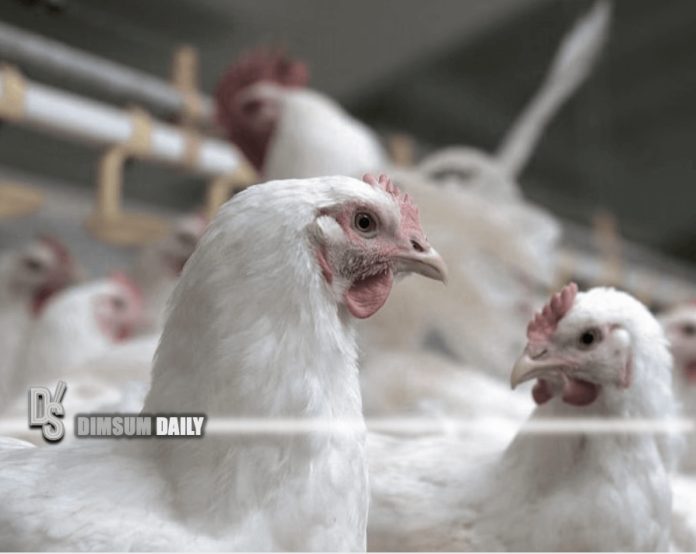
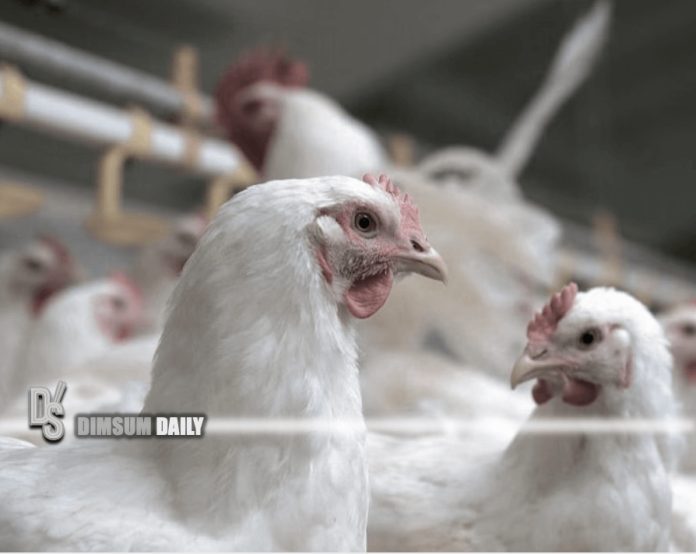
While health officials assert that the risk to the general public remains low, the virus has a devastating impact on livestock, killing up to 100% of infected poultry and around 1% to 2% of cows. California State Veterinarian Annette M. Jones highlighted that infected cows may never fully recover.
As the largest dairy-producing state in the U.S., California faces substantial economic repercussions from the outbreak, prompting quarantines and heightened testing requirements. The state is now conducting weekly tests on its 1.7 million cows. According to the U.S. Department of Agriculture (USDA), California’s milk production fell 9.2% in November compared to the previous year, the steepest decline recorded, raising concerns about national dairy product availability and prices.
California’s poultry operations have also suffered, with 51 commercial poultry facilities and nine backyard flocks reported as affected. The virus has even been detected in domestic cats in Los Angeles County, which had consumed contaminated raw milk, prompting health officials to advise against feeding pets raw food.
Worker safety is a growing concern, with the state distributing over four million pieces of personal protective equipment. However, Elizabeth Strater, a spokesperson for United Farm Workers, indicated that many workers are hesitant to seek testing or report symptoms due to fears about wages. “Right now, it’s a bad gamble for workers,” she remarked, advocating for compensation for testing and wage protections for those who test positive.
The USDA has initiated new containment measures, including a mandatory national milk testing programme. Nevertheless, some experts have expressed doubts about the adequacy of these measures. Seema Lakdawala, an associate professor at Emory University, cautioned that while the new strategy could enhance understanding of the virus’s spread, it may be “arriving too late”—nine months into the outbreak.
Ongoing investigations into transmission patterns are being conducted through 40 research projects, with experts acknowledging that much remains unknown about the virus’s spread between farms. “Honestly, there’s probably more we don’t understand than we actually do know,” said Mike Payne, a food animal veterinarian at the University of California, Davis.Share