

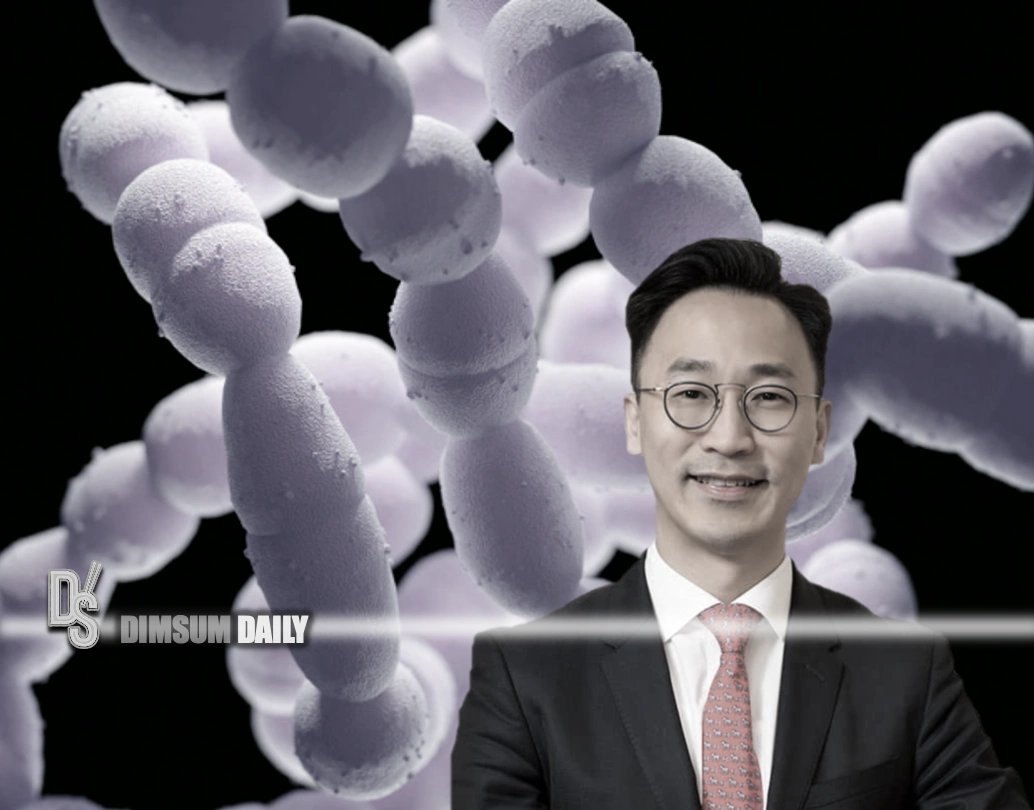
26th December 2024 – (Hong Kong) Recent weather fluctuations have raised concerns not only for influenza, COVID-19, and other respiratory viruses but also for the peak season of pneumococcal infection. Invasive pneumococcal disease can lead to serious conditions such as meningitis, septicemia, and sepsis, ranking as the second leading cause of death in Hong Kong last year. Vulnerable groups such as children, the elderly, and individuals with chronic illnesses face heightened risks. Even for those outside high-risk categories, pneumococcal infection can have severe implications.
Engaging with a recovery perspective, a Hong Kong-based Russian blogger and influencer known as Ansheles shared his firsthand experience of contracting pneumococcal infection in May this year. Experiencing sudden discomfort, severe throat pain, and a feeling of breathlessness, Ansheles initially attributed his symptoms to stress. However, as his condition worsened with high fevers reaching approximately 39 to 40 degrees Celsius, profuse sweating, chest pains, nausea, and difficulty breathing, he realized the gravity of the situation. Despite leading a healthy lifestyle with no smoking or alcohol consumption, regular exercise, and a balanced diet, Ansheles was surprised by the severity of his illness. Even after more than six months of recovery, lingering effects persisted, hindering his physical activities and impacting his daily life.
The Hong Kong Society for Infectious Diseases had earlier forecasted a surge in pneumococcal infections during the winter season. Dr. Angus Lo, a specialist in respiratory medicine, highlighted the heightened activity of viruses like influenza and the common cold during winter, leading to increased incidences of respiratory illnesses and coughs. Reduced immunity during viral infections, along with secretions like mucus, provides an ideal environment for pneumococci to thrive, potentially causing middle ear infections, sinusitis, pneumonia, and other invasive infections. With the upcoming months of January and February marking the peak of flu season, the likelihood of pneumococcal outbreaks is significant.
Dr. Angus Lo emphasized the serious implications of facing a severe viral infection alongside a pneumococcal invasion. Pneumococcus, a predominant bacterium in bacterial pneumonia, poses a significant threat and is a common pathogen in community-acquired pneumonia. Particularly for the elderly, young children, and individuals with weakened immune systems, the risk of severe conditions is heightened. Invasive pneumococcal diseases encompass a range of critical conditions such as meningitis, bacteremia, sepsis, and severe pneumonia, all of which carry a high mortality rate.
Currently, there are two main types of pneumococcal vaccines available, including the older polysaccharide vaccines and the newer conjugate vaccines. While the polysaccharide vaccine, such as the 23-valent vaccine, may induce short-term antibody responses leading to potential immunity loss over time, the 15-valent and 20-valent conjugate vaccines offer sustained immune memory, providing long-lasting protection. The Hong Kong government’s subsidization schemes currently cover the 15-valent and 23-valent vaccines, while the 20-valent vaccine is available in private clinics. Encouraging higher vaccination rates among the elderly and high-risk groups remains imperative for effective prevention strategies.
In response, the Department of Health underscored the importance of vaccination in preventing diseases. The Scientific Committee on Vaccine Preventable Diseases had extensively discussed the 15-valent and 20-valent pneumococcal vaccines, noting the enhanced efficacy in protecting high-risk elderly individuals. The Department committed to continually monitoring local epidemiological trends of invasive pneumococcal infections and the latest scientific evidence on vaccine usage, updating vaccination recommendations as necessary.