
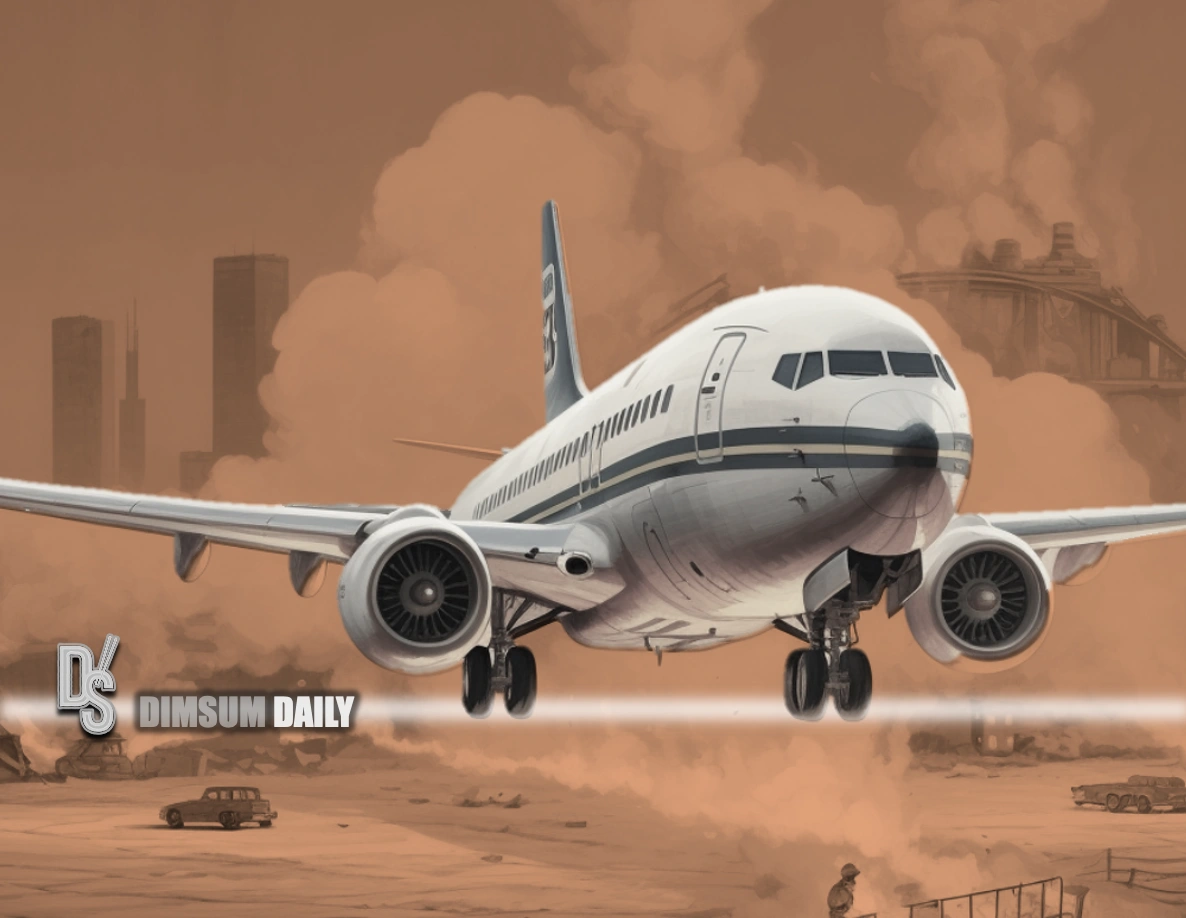
30th December 2024 – (Seoul) The devastating crash of Jeju Air Flight 2216 in South Korea marks another dark chapter in commercial aviation history, raising serious questions about the safety of one of the world’s most widely used passenger aircraft. The Boeing 737-800, representing 15% of the global commercial fleet with approximately 4,400 aircraft in service, has now added 179 more casualties to its increasingly troubling safety record.
In an era where airlines tout safety statistics and manufacturers emphasize technological advancement, the sobering reality of the 737-800’s track record tells a different story. Since its introduction, this workhorse of the skies has been involved in 26 major incidents, claiming over 1,075 lives – a statistic that should give pause to anyone boarding one of these aircraft.
The Jeju Air disaster, where a routine landing turned into an inferno after an alleged bird strike, exposes the razor-thin margin between safe operation and catastrophic failure in modern aviation. While preliminary reports point to a bird strike as the catalyst, the violent disintegration of the aircraft upon impact raises disturbing questions about the airframe’s structural integrity under stress.
What makes this incident particularly alarming is its timing – mere hours after a KLM 737-800 suffered a hydraulic failure in Norway. This temporal proximity cannot be dismissed as mere coincidence, especially given Boeing’s recent history of systemic safety issues across its product line.
For passengers who regularly traverse the skies, the statistics are chilling. While aviation experts and airlines maintain that flying remains the safest form of travel, the concentration of 737-800s in global fleets means that on any given day, millions of passengers are betting their lives on an aircraft type that has demonstrated recurring vulnerabilities.
The industry’s response to these incidents has been troublingly muted. Despite the aircraft’s involvement in numerous fatal accidents, including the devastating Air India Express crash in 2020 and the controversial China Eastern Airlines disaster in 2022, regulators have remained hesitant to mandate comprehensive safety reviews. This regulatory inertia raises uncomfortable questions about the balance between commercial interests and passenger safety.
What’s particularly concerning is the aircraft’s prevalence among budget carriers. The 737-800’s economics have made it particularly attractive to low-cost airlines, where maintenance budgets and safety margins often face greater scrutiny. Jeju Air, with its fleet of 39 737-800s, exemplifies this industry-wide dependence on an increasingly questionable aircraft type.
The latest incident’s circumstances – a catastrophic landing gear failure following an alleged bird strike – highlight a particularly vulnerable aspect of the 737-800’s design. While bird strikes are a known hazard in aviation, the complete disintegration of a modern airliner following such an incident suggests potential structural weaknesses that the industry has yet to adequately address.
The implications extend far beyond South Korea’s aviation sector. With major carriers like Southwest Airlines, Ryanair, and American Airlines heavily invested in 737-800 fleets, the ripple effects of these safety concerns touch virtually every corner of global air travel. The aircraft’s operating economics have made it particularly attractive to airlines, creating a situation where financial considerations may be outweighing safety imperatives.
The 737-800’s troubled history shows a disturbing pattern: hydraulic failures, structural issues, and catastrophic responses to relatively common aviation incidents. The December 28 KLM incident in Norway, where hydraulic failure led to a runway excursion, followed by the Jeju Air disaster just 24 hours later, suggests systemic issues that can no longer be dismissed as isolated events.
For passengers, the choices are increasingly limited. The 737-800’s ubiquity means avoiding the aircraft type often requires significant compromises in travel plans and costs. Yet, with each incident, the question becomes more pressing: At what point does convenience yield to safety concerns?
Industry experts, speaking on condition of anonymity, suggest that while the 737-800’s overall safety record remains statistically acceptable, the clustering of recent incidents points to potential age-related deterioration across the global fleet. Many of these aircraft are approaching or exceeding 15 years in service, a critical threshold where maintenance requirements and structural integrity concerns typically escalate.
While Boeing faces mounting scrutiny over its 737 MAX series, the -800’s issues have received comparatively little attention. This regulatory blind spot, combined with the economic pressures facing airlines in the post-pandemic era, creates a perfect storm of risk factors. Until regulators mandate comprehensive fleet-wide inspections and potential design modifications, passengers boarding 737-800s do so under an increasingly dark cloud of uncertainty. While the likelihood of any individual flight ending in disaster remains statistically low, the pattern of incidents suggests that the margin for error is narrowing.
For now, the aviation industry’s response to the Jeju Air disaster will be telling. Will it serve as the catalyst for long-overdue safety reforms, or will it join the growing list of incidents that failed to prompt meaningful change? The lives of millions of passengers hang in the balance, as does the future of commercial aviation’s most prevalent aircraft type. The time for complacency has passed. As investigators sift through the wreckage in South Korea, the question is no longer whether the 737-800 requires additional scrutiny, but rather how many more lives must be lost before decisive action is taken.