
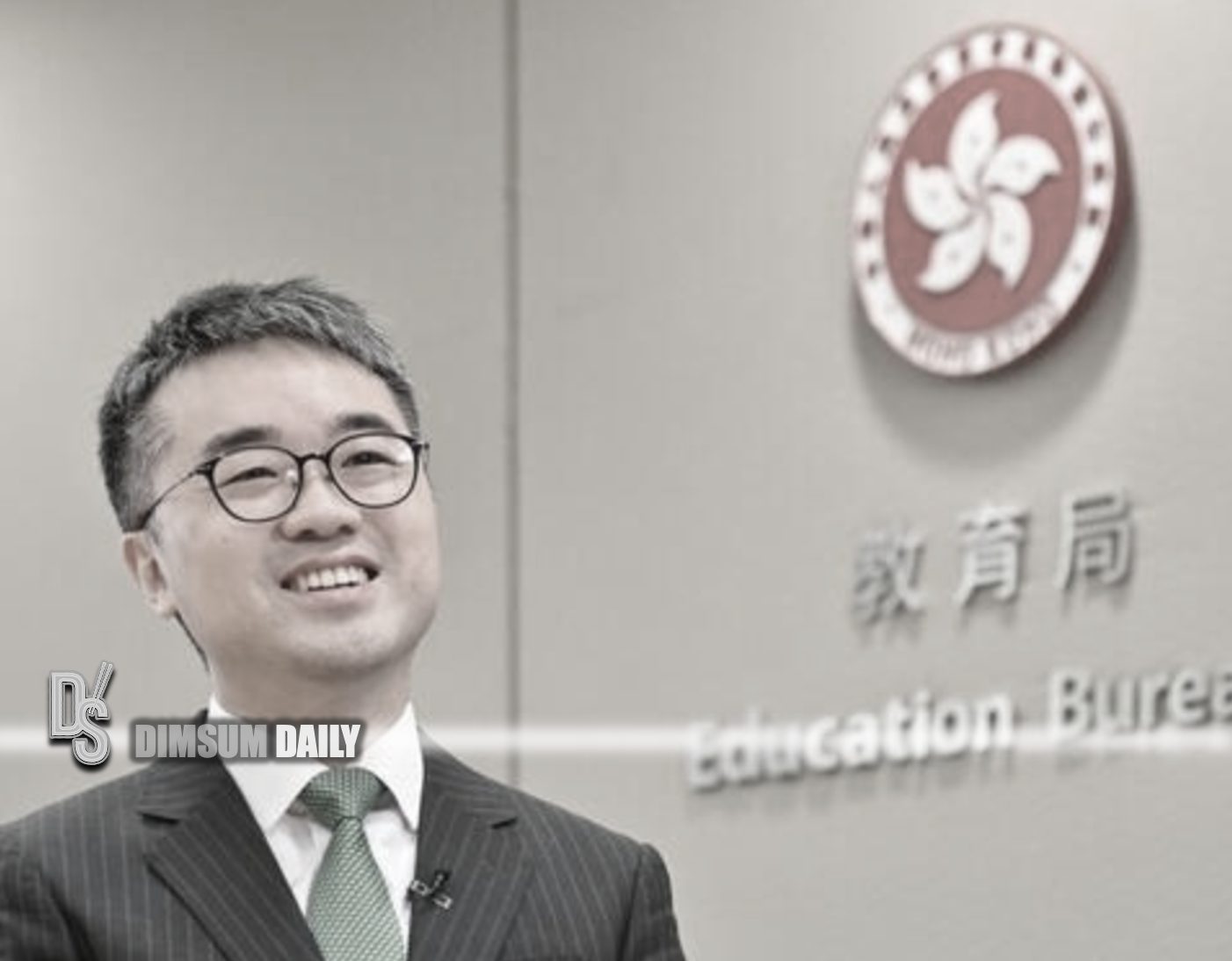

7th January 2025 – (Hong Kong) Recent discussions have emerged regarding Hong Kong’s population target of 10 million, with Legislative Councillors raising concerns about the influx of 56,000 minor children under the Top Talent Pass Scheme. Parents are apprehensive that these children may occupy valuable local university spots, especially as their tuition fees are only one-third of those charged to local students. Under Secretary for Education Jeff Sze has acknowledged the feedback received and stated that the government will consider the issues comprehensively.
During a meeting of the Legislative Council’s Subcommittee on Population Policy, Eunice Yung, the committee’s vice-chair, pointed out the unusual nature of the proposed population goals and the potential short-term absorption of 2 million foreigners. She highlighted the discrepancy in tuition fees, which parents worry may lead to local students losing out on university places.
Other lawmakers, such as Ngan Man-yu, questioned whether it is necessary to increase fees for non-local students in light of the fiscal deficit. Sze responded that while raising fees could enhance revenue, excessively high tuition might diminish competitiveness and deter students from enrolling.
Legislative Councillor Chan Siu-hung raised concerns regarding the effectiveness of current educational spending and whether the government’s strategies would truly establish Hong Kong as an international higher education hub. He emphasised the importance of cultivating students’ global perspectives from a young age and comparing educational standards not just with neighbouring countries, but also with Europe and Southeast Asia.
Sze noted that universities are actively recruiting overseas students and that any adjustments to non-local tuition fees must consider the territory’s competitive position, as current fees are already comparable to those in Japan and Singapore.
In addition, Nixie Lam called for earlier foreign language education for students, sharing her experience of being able to choose from languages like French and Spanish while studying in Australia. Sze confirmed that the government is looking to enhance foreign language learning opportunities in secondary schools.
Lastly, Tang Fei raised concerns about the classification of international schools in Hong Kong, fearing that a lack of distinction could impact educational equity. Sze clarified that the role of international schools is to provide education services to residents, with the government mandating that at least 70% of their students be non-local.