
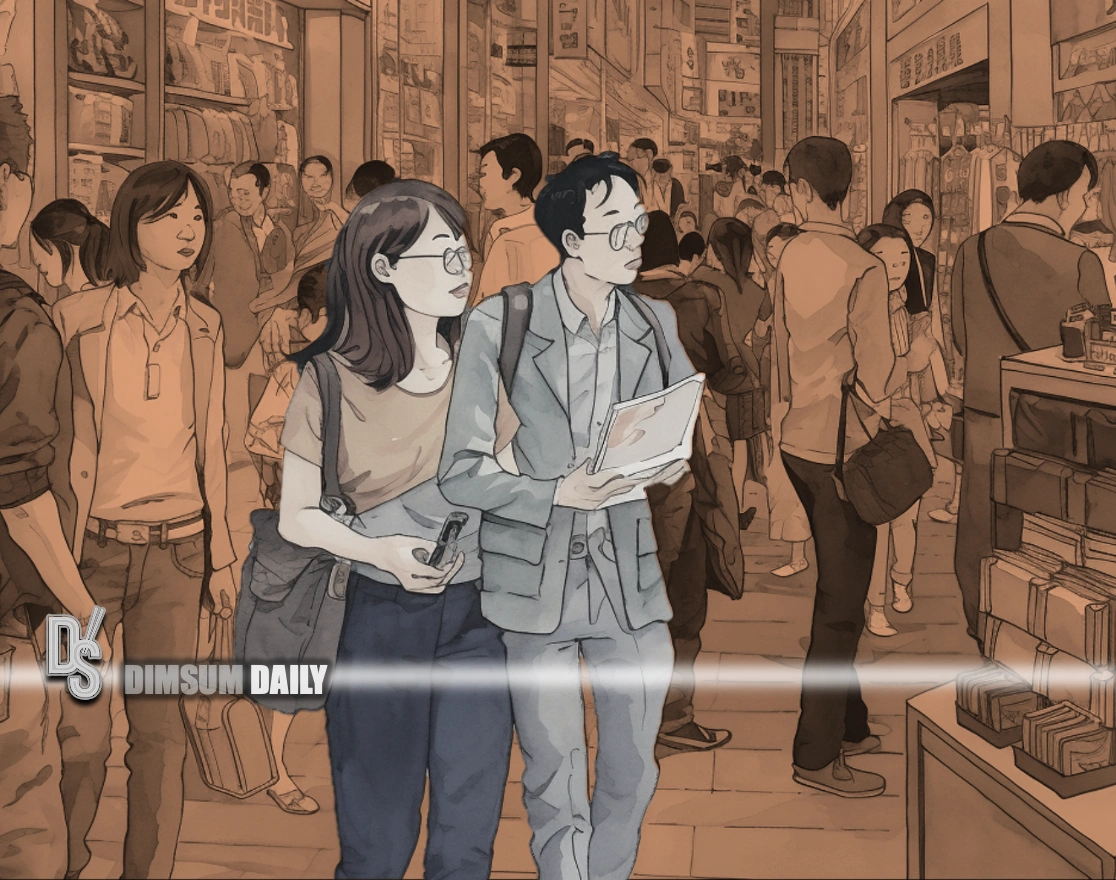
3rd January 2025 – (Hong Kong) This city’s retailers are confronting an increasingly grim reality: Shoppers aren’t shopping like they used to.
Government figures released Thursday showed retail sales in Hong Kong dropped 7.3% year-over-year in November, extending a streak of declines to nine consecutive months. It’s the latest sign of a significant transformation underway, one that is testing the traditional retail business models that powered Hong Kong’s economic ascent over past decades.
“We are witnessing a tremendous evolution in how consumers in Hong Kong and around the world interact with brands and make purchasing decisions,” said Rebecca Wong, PwC’s Tax Markets Leader for South China. “Retailers can no longer rely solely on conventional sales channels. They must urgently adapt to changing consumer behaviours and preferences.”
The November sales slump affected nearly every retail category tracked by the government. Sales of motor vehicles plummeted 34.4%. Clothing retailers saw a 7.5% drop. Even sectors that previously showed resilience, like sales of jewellery, watches and valuable gifts, declined 5.4%.
Only a few bright spots emerged, most notably supermarkets, which eked out 3.5% year-over-year growth.
Hong Kong’s retailers have found themselves at the centre of a perfect storm battering the traditional retail landscape. A global economic slowdown and stubbornly high inflation have eroded consumer purchasing power. The strong Hong Kong dollar has made the city a relatively more expensive destination for tourists and deterred some locals from splurging on big-ticket items.
Rapidly evolving consumer habits pose another significant challenge. The rise of e-commerce, accelerated by the pandemic, has drawn many shoppers away from physical stores. Social media influencers have disrupted conventional marketing and advertising. A new generation of consumers, especially in mainland China, is gravitating toward experiential retail that blends shopping with dining, entertainment and immersive brand experiences.
“Brands that fail to adapt to the experience economy will struggle,” said Michael Cheng, PwC’s Consumer Markets Leader for mainland China and Hong Kong. “Consumers today, particularly younger demographics, crave engagement that transcends mere transactions. Retailers must find innovative ways to deliver memorable, sharable experiences that integrate seamlessly with customers’ digital lifestyles.”
Some of Hong Kong’s shopping districts have taken steps to reinvent themselves as experience hubs. The government enacted policies to transform areas like Tsim Sha Tsui into integrated zones melding retail with tourism, dining and innovative multimedia displays.
However more fundamental changes may be required for Hong Kong’s retailers to regain their footing. PwC’s latest forecast calls for the city’s total retail sales value to decline 6% in 2024 to just HK$383 billion (US$49 billion), reflecting sustained economic headwinds.
“The cost of operating retail businesses in Hong Kong has become exceptionally high compared to other markets,” Cheng noted. “Aggressive measures, like rent reductions and subsidies to alleviate operating costs, are crucial to preserve the competitiveness of local retail.”
Looking further ahead, retail experts see glimmers of optimism. Government initiatives to accelerate digital transformation and e-commerce could steer local brands toward innovative omnichannel strategies unifying online and offline experiences. Beijing’s policies to boost domestic consumption, especially in China’s southern regions, could reinvigorate Hong Kong’s vital tourism flows.
In the near-term, however, retailers must brace for more turbulence, intensifying the pressure to adapt nimbly to the shifting retail landscape.
“We are witnessing the demise of traditional retail as we knew it,” said Annie Yau Tse, chairwoman of the Hong Kong Retail Management Association. “Stores can no longer treat customers as mere revenue streams. We must elevate the entire shopping journey into an enriching experience that creates meaningful connections between brands and today’s experience-driven consumers.”
Hong Kong retailers indeed have an opportunity to reimagine their physical spaces as experience zones that seamlessly meld traditional retail with innovative engagement concepts.
Michael Cheng of PwC points to the Territory’s luxury mall developers, who are already pioneering immersive shopping environments integrating art galleries, Michelin-starred restaurants, and transformative multimedia exhibits.
“The mall of the future will be an urban experience hub,” Cheng said. “Brands will be judged not just on their products, but on their ability to curate moments of delight and forge emotional connections with consumers.”
The future of Hong Kong’s retail landscape depends on the industry’s capacity to merge digital and physical realms into seamless, engaging omnichannel experiences. The government’s various funding initiatives aim to accelerate this digital transformation, enabling retailers to adopt advanced technologies such as mobile applications, data analytics, and AI-driven services.
As early adopters leverage these innovations, the retail environment is evolving beyond traditional shopping spaces. For instance, K11 MUSEA’s AI-guided experience exemplifies how technology can enhance cultural engagement and elevate customer experiences. As retailers face economic challenges, their ability to innovate and redefine the shopping journey in a digital-centric world will be crucial for survival. According to Annie Yau Tse from the Hong Kong Retail Management Association, those retailers that successfully create extraordinary, tech-enhanced experiences that resonate with modern consumers will be well-positioned for future success.