
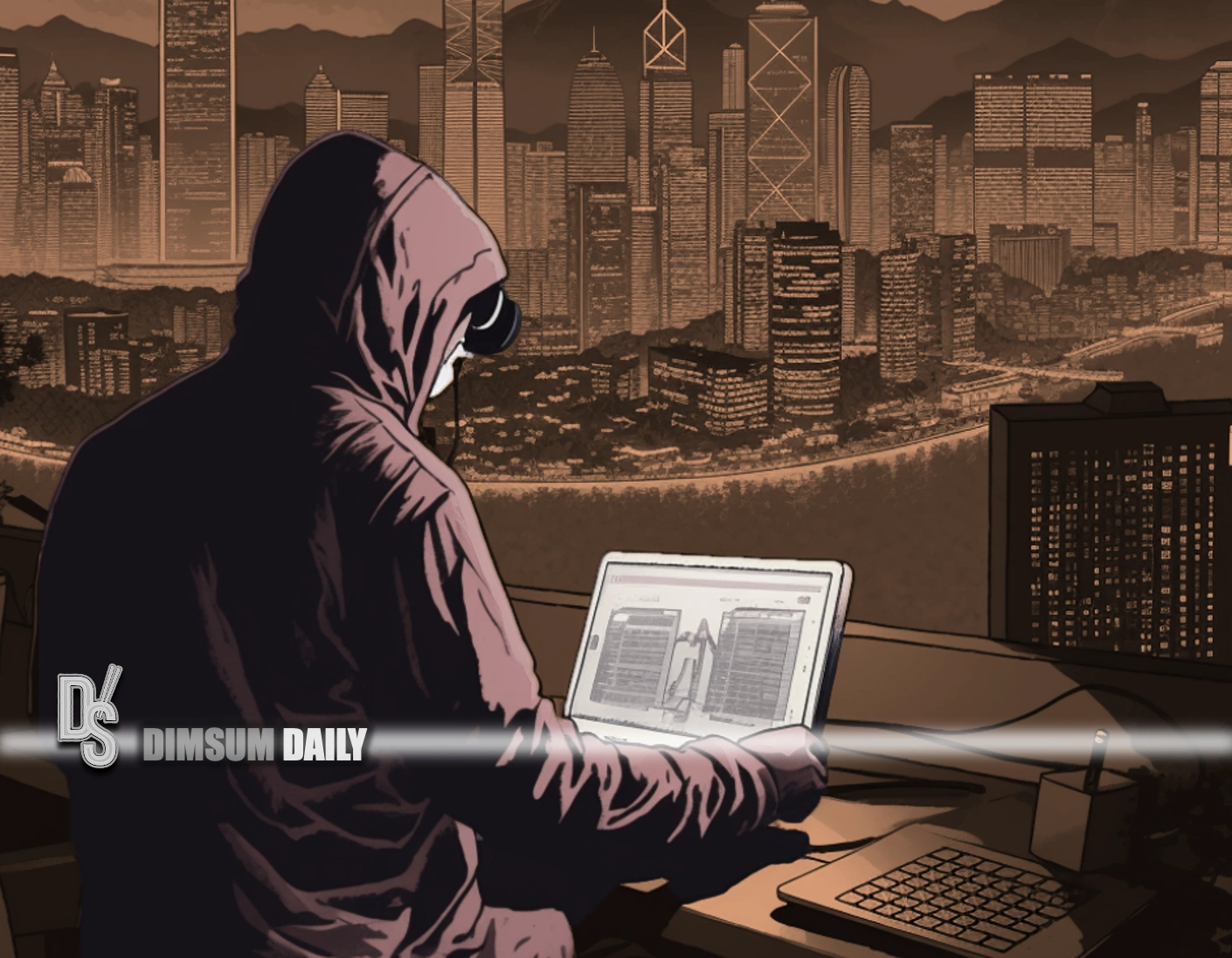
4th January 2025 – (Hong Kong) The once-fabled efficiency of Hong Kong’s public administration is facing intense scrutiny after a series of alarming data breaches have rocked confidence in the government’s ability to safeguard citizens’ personal information. The crisis was set in motion when the Food and Environmental Hygiene Department (FEHD) revealed in January 2025 that sensitive complaint files containing personal details of around 100 individuals had been suspected stolen from a district office. This unsettling incident presaged a cascading series of cybersecurity lapses across multiple government departments, laying bare critical vulnerabilities that jeopardise the privacy of innumerable Hong Kongers.
In 2024, the Electrical and Mechanical Services Department (EMSD) acknowledged a severe breach affecting 17,000 individuals whose sensitive data, including identity card numbers and home addresses, were left alarmingly exposed on an unsecured online server. Concurrently, the Companies Registry divulged that a contractor’s faulty system design had inadvertently transmitted excessive personal details of over 110,000 registry users during routine database searches.
These latest incidents compound a rapidly growing cybersecurity crisis that saw Hong Kong’s technology hub Cyberport fall prey to a devastating ransomware attack last August. After a lengthy probe, the city’s privacy watchdog highlighted Cyberport’s infrequent security audits and unjustified retention of personal data as glaring shortcomings enabling the extensive data heist.
Such repeated breaches have sparked widespread public outcry, with lawmakers and IT specialists lambasting the government’s decentralised, piecemeal approach to cybersecurity as fundamentally inadequate. Legislative Councillor Elizabeth Quat encapsulated the mounting disquiet, asserting that frequent delays in reporting breaches and a lack of real-time threat monitoring mechanisms signify an alarming dearth of accountability.
Experts have coalesced around the pressing need for a centralised, holistic cybersecurity framework binding all public bodies under a unified defence architecture. By consolidating resources and manpower presently siloed across disparate departments, Hong Kong could finally erect robust, consistently-applied protocols to detect vulnerabilities, enforce privacy-by-design principles, and decisively neutralise cyber threats.
Moreover, commentators argue the imminent launch of Hong Kong’s new Digital Policy Office presents a pivotal opportunity to overhaul the government’s digital infrastructure. Currently plagued by legacy systems and fragmented departmental jurisdictions, this overarching office could spearhead a security renaissance by auditing risks, mandating timely breach disclosures, and cultivating a compliance culture centred on safeguarding citizens’ data as an inviolable priority.
As the world grows ever more digitised, cyber threats targeting governments and their data troves have surged to unprecedented levels. From ransomware extortionists to state-backed actors, criminal enterprises routinely attempt to compromise public networks for geopolitical leverage or sheer criminality. Hong Kong’s recent woes vividly illustrate that robust cybersecurity can no longer be an afterthought; it is an existential imperative for any responsible government in the 21st century.
The onus now falls upon Hong Kong’s leadership to decisively recalibrate and fortify the SAR’s cybersecurity posture. Merely issuing apologies after each breach or enacting piecemeal remedies will prove woefully insufficient in an era where cyber threats rapidly evolve. Citizens deserve far-sighted policies and tangible actions to protect their privacy from malicious actors. Restoring public confidence in Hong Kong’s digital stewardship hinges upon the government’s ability to learn from this humbling episode and elevate cybersecurity as a paramount strategic mission.