
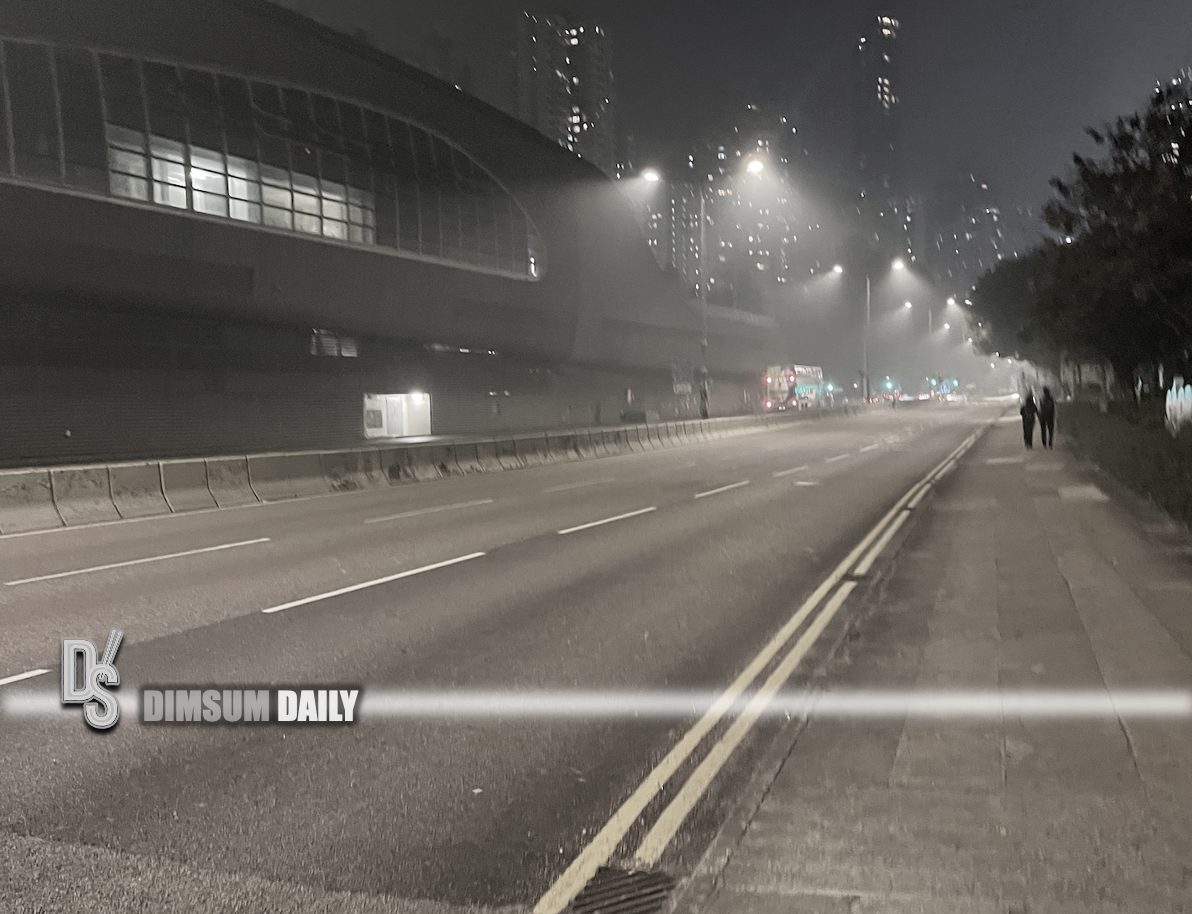
1st January 2024 – 9Hong Kong) As Hong Kong welcomed the New Year with a dazzling fireworks display along Victoria Harbour, the festivities quickly turned sour as toxic fumes filled the air. Celebrations attracted over 143,000 spectators, with a significant portion hailing from mainland China. However, once the last firework faded, a noxious mist enveloped the area, reaching even the Kennedy Town Public Swimming Pool.
Themed “The Symphony of Happiness,” the countdown featured an array of vibrant pyrotechnics choreographed by renowned artist Liu Lin, famed for his work at the 2008 Beijing Olympics. Despite the spectacular show, environmental repercussions were immediate, with reports of lingering smoke and unpleasant odours.
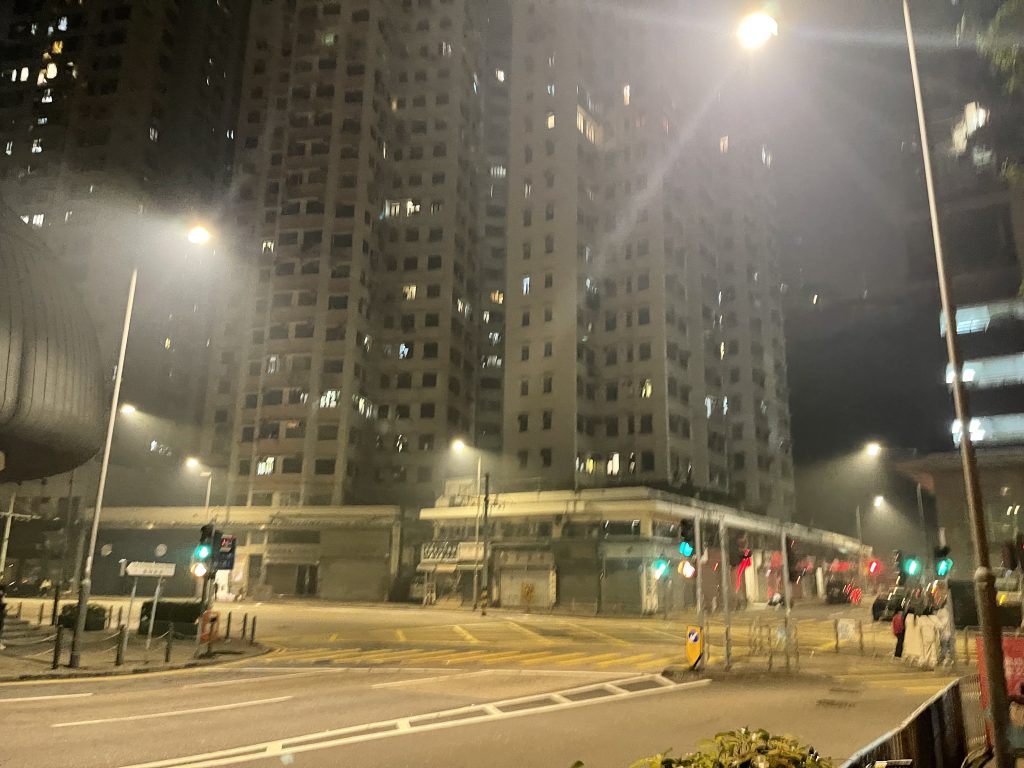
Fireworks are notorious for releasing harmful chemicals and particulates into the atmosphere. Each explosive device can emit a cocktail of toxic substances, including potassium nitrate, charcoal, and sulphur, contributing to significant air pollution. In Germany, for instance, New Year’s fireworks in 2016 alone produced approximately 5,000 tons of particulate matter, which poses severe health risks, particularly to respiratory systems.
Experts warn that while the immediate impact might be fleeting, the environmental cost of such celebrations cannot be overlooked. The toxic particles can remain suspended in the air, exacerbating health issues for vulnerable populations. Authorities have suggested that more sustainable alternatives, such as battery-operated fireworks, could mitigate waste and pollution, offering a safer way to celebrate while preserving air quality.