
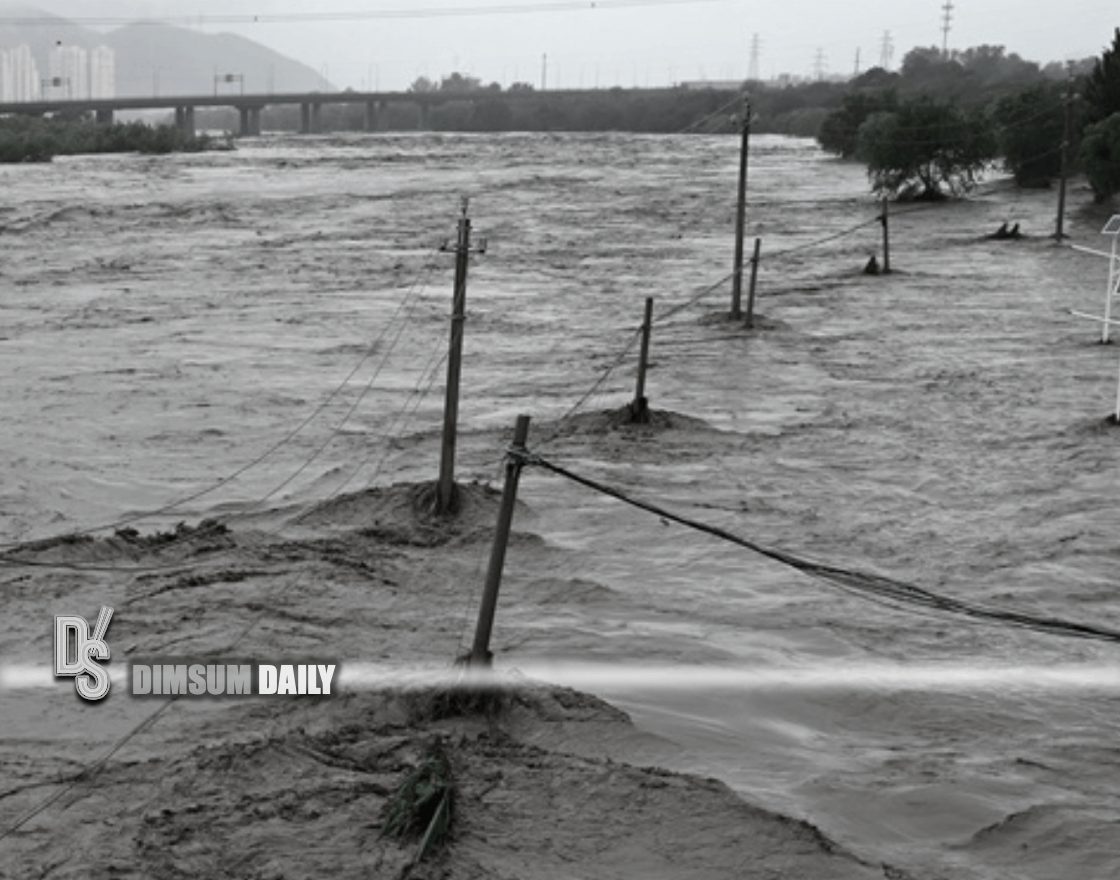
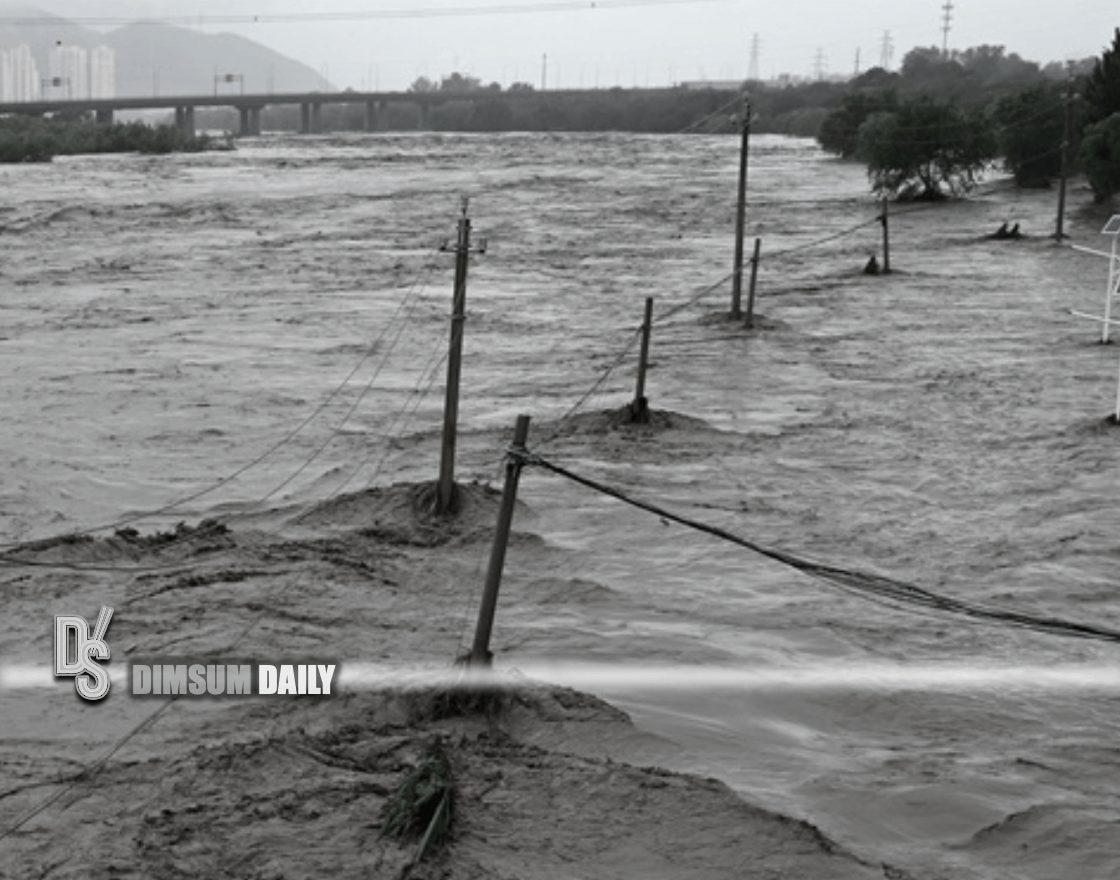
6th January 2025 – (Canberra) Research led by Australian National University (ANU) has unveiled that record-breaking temperatures in 2024 have significantly disrupted the global water cycle, resulting in severe flooding and droughts. The 2024 Global Water Monitor Report, released on Monday and spearheaded by Albert van Dijk, indicates that climate change is altering the dynamics of water movement across the planet.
The report highlights that 111 countries, which collectively represent about half of the world’s population, recorded their hottest year on record in 2024. Van Dijk noted that land temperatures were 1.2 degrees Celsius higher than at the beginning of the 21st century and 2.2 degrees Celsius above pre-industrial levels.
“In 2024, Earth faced its hottest year ever for the fourth consecutive time, with water systems worldwide suffering the consequences,” he stated in a media release.
The findings show that escalating weather extremes in 2024 are part of a troubling trend marked by increasingly severe floods and droughts. Rising sea surface temperatures have exacerbated droughts and tropical cyclones in regions like the Amazon Basin and southern Africa, while global warming has led to more intense rainfall and slower-moving storms.
The report reveals that water-related disasters claimed the lives of over 8,700 people globally in 2024, displacing 40 million individuals and inflicting economic losses exceeding 550 billion U.S. dollars. Record-high monthly rainfall occurrences increased by 27 per cent compared to the start of the century, while record-low rainfall events surged by 38 per cent.
The research team emphasizes the need for improved preparedness for both flooding and drought extremes, advocating for stronger flood defences and more resilient agricultural and water management practices.
“Water is our most critical resource, and its extremes—both floods and droughts—represent some of the greatest threats we face,” van Dijk concluded.